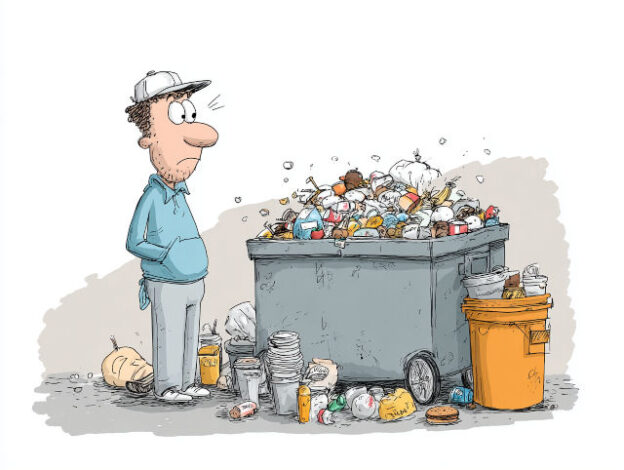
A new study suggests that converting food waste into biochar could provide a compelling and cost-effective way to remove greenhouse gases while tackling the growing challenge of waste management. By reframing food waste not as a burden but as a resource, the research highlights a promising pathway that links environmental sustainability with practical waste solutions. The findings contribute to a broader shift towards circular economy approaches, where materials are continuously repurposed rather than discarded.
The researchers focused on digestate, a by-product generated through the anaerobic digestion of food waste. While anaerobic digestion is widely used to produce renewable energy, the leftover digestate often presents disposal challenges due to its high moisture content and potential contamination. The study demonstrates that this material can instead be transformed into stable biochar and applied to agricultural soils, effectively converting a problematic residue into a valuable climate asset.
Through a process involving hydrothermal carbonisation followed by high-temperature treatment, digestate can be converted into a carbon-rich, stable form of biochar. This material is particularly notable for its resistance to degradation, allowing carbon to remain stored in soils for extended periods, potentially lasting centuries. By locking carbon into the ground in this way, the process offers a reliable method of long-term carbon sequestration.
Quantitatively, the study estimates that each tonne of biochar produced can remove between 1.15 and 1.20 tonnes of carbon dioxide equivalent from the atmosphere. This removal is primarily driven by the stability of the carbon embedded within the biochar structure. Such performance places biochar among the more effective carbon removal strategies currently under investigation, particularly when considering its dual role in both waste management and emissions reduction.
The economic analysis presented in the study is equally noteworthy. When biochar production facilities are situated close to existing anaerobic digestion plants, the cost of greenhouse gas removal can fall below £100 per tonne of carbon dioxide equivalent. This level of affordability positions the approach as competitive with, and in some cases more attractive than, other emerging carbon removal technologies. However, the study also emphasises that transportation logistics are critical, as moving wet digestate over long distances can significantly increase both costs and emissions.
Beyond its climate mitigation potential, biochar application to soils may offer additional environmental benefits. The material has been shown to improve soil structure, enhance water retention, and support nutrient availability, which could reduce reliance on synthetic fertilisers. While these co-benefits are promising, the researchers note that further field-based studies are needed to understand their impact under real-world agricultural conditions fully.
Looking ahead, the study explores future deployment scenarios, particularly within the United Kingdom, where utilising a portion of projected food waste digestate could yield measurable emissions reductions. On a global scale, the implications are even more significant, given the vast quantities of food waste generated annually. The researchers conclude that with supportive policies, appropriate infrastructure, and economic incentives such as waste processing fees, biochar production from food waste could become a vital component of strategies aimed at achieving net zero emissions while advancing a more sustainable and circular economy.
More information: Disni Gamaralalage et al, Biowaste to biochar: a techno-economic and life cycle assessment of biochar production from food-waste digestate and its agricultural field application, Biochar. DOI: 10.1007/s42773-025-00456-0
Journal information: Biochar Provided by Biochar Editorial Office, Shenyang Agricultural University