corporations
On the surface, credit rating agencies assess a company’s financial health by examining its debt, equity, and ability to meet financial obligations. They assign letter…

Restrictions on Trade Secrets Could Weigh on Wages Near Retirement
Policies designed to safeguard trade secrets and stimulate innovation may carry unintended consequences for workers later in their careers. A new study published in Labour…
When confidence turns costly: CEOs who avoid delegating at critical moments
A new study finds that overconfident CEOs are less likely to delegate responsibilities to their teams, particularly in complex, high-stakes settings such as major mergers…
A New Analysis of the Paradox of Firms’ Proprietary Technologies
A firm’s capacity to develop distinctive technology can be a powerful strategic advantage, yet it may also become an expensive and isolating trait. A recent…
Antitrust scrutiny threatens the loss of corporate know-how
Interlocking directorates — where the same individual sits on the boards of rival companies — have long been associated with behind-the-scenes influence and potential corporate…
Learning Before Leading: The Danger of Premature Strategy Statements from New CEOs
When a new chief executive takes charge of a company, uncertainty quickly spreads through the financial markets. Among the most attentive observers are financial analysts,…
How greenwashing fosters misleading stability for businesses
Companies that engage in greenwashing to present themselves as more attractive to investors do not achieve lasting financial stability over time, according to a recent…
How Family Governance Affects Merger and Acquisition Outcomes in Emerging Markets
Mergers and acquisitions can fundamentally alter a firm’s future, shaping its growth, strategic direction, and long-term survival. For family-owned businesses, however, these decisions extend beyond…
From Union Jobs to Going It Alone: How Blue-Collar Workers Adapt
In U.S. states with openly hostile labour policies, workers are far more likely to turn to self-employment. Research shows that employees in these environments are…
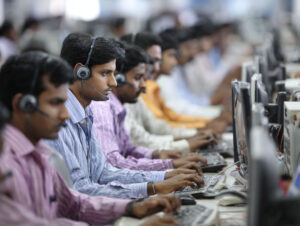
Hidden burdens fall on India’s tech workers as global firms push remote operations
Research from the University of Bath highlights the largely unacknowledged pressures that remote working places on employees in the Global South, showing how economic, physical…
Have Global Industry Rankings Been Miscalculated?
For many years, global rankings have judged nations by how competitive their industries appear to be. Yet new research from the University of Surrey suggests…
High-status producers can reinvent artists’ images, while mid-status producers merely follow trends
In cultural industries where producers shape the creative process, status determines how much freedom they have to reinvent their artists. High-status producers command the resources…