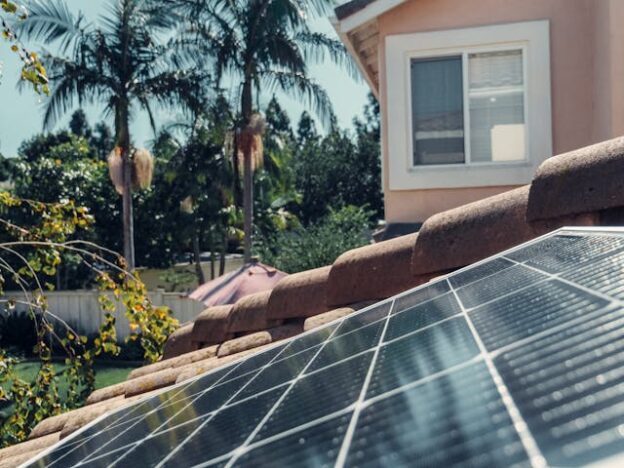
A new Stanford University study suggests that most U.S. households could cut electricity costs and survive blackouts by installing rooftop solar panels paired with battery storage, primarily if they act before 31 December, when a key federal tax credit ends. The research, published in Nature Energy, found that 60% of American homes could reduce their electricity bills by an average of 15% with solar-battery systems. Additionally, around 63% could withstand power outages by meeting at least half their typical electricity needs, while either saving money or experiencing no increase in energy costs.
However, the households that stand to benefit least from solar-battery adoption—due to lower sunlight exposure, higher equipment costs, or unfavourable electricity rates—often overlap with those already struggling the most with high utility bills and frequent outages. These disparities highlight the uneven distribution of renewable energy benefits across different regions and income levels. The researchers emphasise that the reliability of power is becoming a growing concern, as extreme weather events, such as heatwaves and hurricanes, are increasing in both frequency and intensity, while much of the U.S. energy infrastructure remains outdated.
One urgent driver of adoption is the residential clean energy tax credit, introduced under the Inflation Reduction Act of 2022. It currently allows homeowners to deduct 30% of the cost of solar and battery installations from their federal taxes. This incentive will lapse at the end of 2025 for direct purchases, though indirect savings may still be available through leasing and power purchase agreements until 2027 for solar and 2033 for batteries. Without this credit, the share of households for whom solar-plus-storage remains financially viable drops from 60% to about 32%, according to the study’s lead author, Tao Sun.
At the same time, declining utility payments for excess solar power are reshaping the economics of battery ownership. In many states, customers are no longer compensated at full retail value for selling electricity back to the grid. As a result, storing power for personal use—especially at night when retail prices peak—has become a more innovative strategy for many households. States adopting these revised compensation structures tend to encourage battery adoption more effectively, though this also varies based on local solar potential and utility pricing.
The study also assessed the geographic variation in benefits across 48 states and Washington, D.C. It found that states with higher risks of blackouts or energy insecurity do not always align with those where solar-battery systems are the most cost-effective. In areas with more frequent outages or lower average income, fewer households can afford systems that offer meaningful backup power. These findings suggest the need for targeted subsidies or community-level energy initiatives to ensure equitable access to clean, resilient energy solutions.
Finally, the researchers caution that this landscape is rapidly changing. As solar and battery prices continue to fall and electricity costs rise, the economic case for these systems will likely grow stronger over time. They recommend further study of mobile or shared energy storage technologies that could supplement household-level systems and offer broader community resilience. Innovations like these, paired with carefully designed policies, could help ensure that the shift to solar benefits all Americans, not just the most financially advantaged.
More information: Tao Sun et al, Solar and battery can reduce energy costs and provide affordable outage backup for US households, Nature Energy. DOI: 10.1038/s41560-025-01821-w
Journal information: Nature Energy Provided by Stanford University