Monthly Archives: June 2026

Audits Can Correct Harmful Chatbot Behaviour

Artificial intelligence chatbots are increasingly being criticised for poor social judgement. Some systems have faced lawsuits for recommending dangerous actions, while others have been described as overly agreeable or sycophantic. These concerns may become more serious as AI chatbots take on larger roles in customer service, workplace communication, and human interaction. According to Yan Leng, assistant professor of information, risk, and operations management at the McCombs School of Business at the University of Texas at Austin, understanding and evaluating chatbot behaviour is becoming increasingly important.

To address this challenge, Leng developed a behavioural auditing framework for large language models (LLMs), the technology behind systems such as ChatGPT. Her framework, called state–understanding–value–action (SUVA), is designed to examine how AI systems make decisions. By identifying a model’s behavioural tendencies, organisations can determine whether a chatbot aligns with their values and intended uses. If a model does not perform appropriately, it can potentially be adjusted through prompting or fine-tuning before deployment.

Leng compares the framework to evaluating a human’s values through actions and reasoning. The SUVA process begins by giving an LLM a prompt that includes instructions to reason step by step. Researchers can then analyse how well the model understands the situation, what values it expresses during decision-making, and what action it ultimately chooses. Leng emphasises that these “values” are not evidence of consciousness or human-like thinking, but rather patterns reflected in the model’s generated text.

Working with Yuan Yuan of the University of California, Davis, Leng used SUVA to study the social preferences of eight major LLMs, including OpenAI’s GPT and Meta’s Llama. Their research relied on the “dictator game,” a classic behavioural economics experiment used to measure self-interest and fairness. In different scenarios, AI models were asked how they would divide points between themselves and others. The researchers then analysed whether the models prioritised self-interest, fairness, or broader social welfare.

After conducting thousands of tests, the researchers identified several important patterns. Most models were not entirely self-interested and often showed moderate concern for social welfare. The AI systems also changed their behaviour depending on context. For example, some models became significantly more generous when told they shared something in common with another participant, such as a hometown. Workplace settings also influenced responses, with models more likely to divide rewards equally when contributions were described as equal. These findings suggest that AI systems can adapt their behaviour according to social and environmental cues.

Leng believes the study demonstrates the importance of regular auditing and retraining of AI systems. Since chatbot behaviour may change unpredictably when new versions are released, organisations should continuously reassess models before using them in sensitive settings. The SUVA framework could also be applied to study other aspects of AI decision-making, including moral reasoning, risk preferences, and time-related choices. Despite the enormous complexity of LLMs, Leng finds it remarkable that many human-like preferences appear to emerge through relatively simple behavioural patterns.

More information: Yan Leng et al, SUVA: A Probabilistic Framework for Auditing LLMs with an Application to Social Preferences, Information Systems Research. DOI: 10.1287/isre.2024.0857

Journal information: Information Systems Research Provided by University of Texas at Austin

Housing Market Inflated by Pandemic Loan Fraud

For many Americans hoping to buy a home, the past several years have been exceptionally difficult. Between the end of 2019 and the end of 2022, the median sales price of homes in the United States rose by 35%, according to the Federal Reserve Bank of St. Louis. Although economists have largely attributed the surge to pandemic-related migration and remote work trends, new research suggests another important factor contributed significantly to the housing boom: fraud linked to government pandemic relief loans.

Researchers from the McCombs School of Business at The University of Texas at Austin found that fraudulent borrowing through the Paycheck Protection Program (PPP) accounted for roughly 22.5% of the average increase in housing prices during 2020 and 2021. The study was conducted by finance professors Samuel Kruger and John Griffin, along with doctoral student Prateek Mahajan. Their findings suggest that pandemic loan fraud affected not only taxpayers but also ordinary homebuyers who purchased properties at inflated prices.

The PPP was introduced as an emergency federal program to help small businesses survive the economic disruption caused by COVID-19. Although the government supplied the funding, banks and fintech firms were responsible for distributing the loans. In the rush to move money quickly, the program lacked sufficient safeguards to prevent fraudulent applications. Earlier work by the same researchers identified at least $117 billion in suspicious lending activity, much of it concentrated in specific geographic areas.

To understand how fraudulent borrowers used the funds, the researchers analysed housing purchases across 18,761 ZIP codes covering 93% of the U.S. population. They discovered that areas with the highest concentrations of suspected PPP fraud experienced housing price growth that was 5.8% higher than areas with the lowest fraud levels. Individuals suspected of fraudulent borrowing were also 17% more likely than average to purchase homes, particularly in regions where housing supply was already limited.

The researchers concluded that fraudulent pandemic lending had a larger effect on housing prices than other commonly cited pandemic-era factors, including migration patterns and remote work. Beyond housing, the study also found connections between PPP fraud and increased spending on automobiles, furniture, restaurants, grocery stores, and financial services. According to Kruger, many ordinary homeowners may ultimately suffer financial losses if inflated housing demand fades and property values decline.

The findings also raise broader concerns about long-term economic consequences. Griffin noted similarities with the 2008 financial crisis, when inflated housing markets contributed to widespread mortgage defaults and banking instability. The researchers argue that future government relief programs must include stronger safeguards from the beginning to reduce fraud and prevent economic distortions. Their study highlights how large-scale fraudulent transfers can ripple through the economy, affecting not only public finances but also housing affordability and financial stability.

More information: John Griffin et al, Did pandemic relief fraud inflate house prices? Journal of Financial Economics. DOI: 10.1016/j.jfineco.2026.104275

Journal information: Journal of Financial Economics Provided by University of Texas at Austin

Mobile Money Helps the Poor, but Confidence Matters

Mobile money is helping millions of people without traditional bank accounts participate more fully in the economy. Still, a new study suggests that trust, fairness and effective regulation will ultimately determine whether the system succeeds in reducing poverty. With more than two billion registered mobile money accounts worldwide and nearly $1.7 trillion processed annually, phone-based financial services are becoming an increasingly important part of daily life, particularly in low- and middle-income countries.

Researchers at the University of East London reviewed more than a decade of evidence on mobile money, analysing 65 studies published between 2014 and 2026. Their findings show that mobile money can help users send and receive funds more easily, save money securely, cope with emergencies and support small business activities. The study was published in the Journal of Financial Services Marketing.

According to the researchers, mobile money has proven especially valuable as an anti-poverty tool because it expands financial access for people who are unbanked or underserved by traditional banking systems. It can reduce the cost of transferring money, improve household resilience during financial shocks, support women and rural communities, and strengthen cash flow for micro, small and medium-sized enterprises. In some regions, the benefits have been particularly striking.

The study points to evidence from Kenya, where access to M-Pesa helped lift an estimated 194,000 households out of poverty. Many of the gains were seen among female-headed households, highlighting the potential of mobile money to improve economic inclusion and opportunity for vulnerable groups. Researchers say these findings demonstrate the significant social and economic potential of accessible digital financial systems.

However, the authors caution that mobile money is not a guaranteed solution to poverty. Its effectiveness depends not only on access to mobile phones, but also on public confidence in the system, strong consumer protections and balanced regulation. They warn that excessive taxes or restrictive policies can discourage use, especially among low-income populations. In Uganda, for example, transaction taxes on mobile money were linked to a sharp decline in usage among poorer users.

Co-author Godfried Adaba said mobile money can provide people with a safer and easier entry into financial life, but stressed that access alone is insufficient without trust and supportive systems. Kirk Chang added that mobile money works best when users, service providers and regulators work together to empower communities rather than create new forms of exclusion or risk. Looking ahead, the researchers say more studies are needed to examine how taxation, fraud, artificial intelligence, regulation and emerging digital finance technologies will shape the future of mobile money.

More information: Godfried Adaba et al, Mobile money: Systematic review, multilevel framework, and research agenda, Journal of Financial Services Marketing. DOI: 10.1057/s41264-026-00370-x

Journal information: Journal of Financial Services Marketing Provided by University of East London

How Cultural Values Influence Financial Forecasting

People often interpret the same information in very different ways, shaped by their perspectives and ways of thinking. In the financial world, this can influence how analysts evaluate companies and predict future performance. According to Yong Yu, professor of accounting at the University of Texas at Austin McCombs School of Business, analysts with different orientations toward time may produce very different financial forecasts for the same company. Some focus heavily on short-term performance, while others place greater emphasis on long-term growth and value creation.

In a recent study, Yu and Shuping Chen, also a professor of accounting at Texas McCombs, explored how cultural backgrounds shape financial forecasting. Their findings suggest that analysts whose ancestral cultures place greater value on long-term orientation tend to make more long-term earnings forecasts and produce more accurate long-term stock recommendations. The researchers defined long-term forecasts as predictions extending beyond one year, while short-term forecasts covered one year or less. Analysts from cultures with stronger long-term orientations achieved average monthly stock returns of 0.61%, compared with 0.31% for analysts from less long-term-oriented cultural backgrounds.

Yu explains that modern financial markets often reward near-term performance, encouraging a more short-sighted approach to investing. However, analysts who focus on long-term information may provide investors with a more balanced and comprehensive understanding of a company’s future potential. The study suggests that incorporating longer-term thinking can improve investment decisions, particularly in industries where future growth and innovation are important drivers of value.

To examine the relationship between culture and forecasting behaviour, the researchers analysed data from 3,797 U.S. financial analysts between 2000 and 2014. Working with collaborators Jay Jung of City St George’s, University of London and Sonya Lim of DePaul University, they used surnames and immigration data to infer analysts’ likely cultural origins. Sources included the Onomap database, which draws on telephone directories and electoral records. The researchers also distinguished first-generation immigrants, who were more likely to retain characteristics of their original cultures.

The team then matched analysts’ cultural backgrounds with long-term orientation scores developed by social psychologist Geert Hofstede. Analysts associated with cultures emphasising long-term planning were 7.6% more likely to issue long-term earnings forecasts and 11 percentage points more likely to use sophisticated valuation methods such as discounted cash flow analysis. These analysts also performed especially well when evaluating companies with significant intangible assets or uncertain long-term prospects, where future-oriented thinking may be particularly valuable.

The study highlights the importance of analytical and cultural diversity in financial markets. Analysts with stronger long-term orientations were also more likely to encourage company managers during earnings calls to share information about future strategies and long-term goals. Importantly, these analysts remained just as accurate as their peers in making short-term predictions, suggesting that their added strength lies in providing deeper long-term insight. Yu argues that both short-term and long-term perspectives are necessary for investors to gain a fuller and more accurate picture of a company’s value and future potential.

More information: Shuping Chen et al, Analysts’ Cultural Long-Term Orientation and Their Information Production, Contemporary Accounting Research. DOI: 10.1111/1911-3846.70058

Journal information: Contemporary Accounting Research Provided by University of Texas at Austin

Independent Directors Linked to Greater Scrutiny of Risky CEO Compensation Plans

Independent directors may play a much stronger role in controlling executive pay than critics have long assumed, according to new research from the University of Surrey. The study found that companies with a higher proportion of independent board members move more quickly to correct risky CEO compensation structures, challenging the idea that boards approve pay arrangements shaped by powerful executives. The research, published in European Financial Management, suggests independent directors actively intervene when compensation packages drift too far from levels considered financially healthy for a company.

The study focused on “inside debt”, which includes pensions and deferred compensation awarded to chief executives. Unlike bonuses or share-based rewards, inside debt ties a greater portion of a CEO’s personal wealth to the long-term financial health and stability of the company. As a result, it can encourage executives to behave more cautiously and avoid excessive corporate risk-taking. While public debates around executive pay often focus on salaries, bonuses and stock options, the researchers argue that inside debt has received far less attention despite its major influence on corporate decision-making and long-term strategy.

Researchers analysed 6,357 firm-year observations across 942 US companies between 2006 and 2019. Using executive compensation, accounting and governance data, they examined how quickly firms adjusted CEO inside debt towards what they calculated to be an “optimal” level. That benchmark was estimated using factors such as company size, debt levels, growth opportunities, financial risk and CEO characteristics. The team then tracked how rapidly boards corrected compensation structures when they deviated from those targets over time.

The findings showed that firms with more independent directors adjusted CEO compensation significantly faster than companies with less independent boards. The effect was strongest in high-growth firms, financially unconstrained businesses and companies led by overconfident chief executives, where poorly designed incentives can create greater risks for shareholders. Researchers also found that independent directors appeared to make calculated trade-offs rather than reacting automatically. When the risks associated with CEO inside debt were lower, boards moved more slowly to adjust compensation structures, suggesting directors carefully weighed the costs and benefits of intervention before making changes.

Bonnie Buchanan, co-author of the study and Associate Dean (International – FABSS) and Professor of Finance at the University of Surrey, said: “There is a common perception that boards are often powerless when it comes to executive pay, particularly when dealing with influential CEOs. What we found is much more nuanced. Independent directors appear willing to step in and adjust compensation structures when they believe shareholders could be exposed to unnecessary risk.” Co-author Shuhui Wang added: “Executive compensation has become incredibly complex over the last two decades. Our findings suggest independent directors are not simply approving pay packages without scrutiny. They are making detailed decisions about when faster intervention is needed and when a slower approach makes more sense.”

The researchers also found that board independence appeared to matter more than pressure from institutional investors or major shareholders when it came to adjusting executive compensation structures. According to the study, this has important implications for corporate governance because executive pay strongly influences how companies behave, including decisions around investment, growth and risk-taking. Buchanan said the findings highlight the importance of strong independent oversight in maintaining balanced incentives within firms. The study concludes that independent boards may serve as a critical safeguard in ensuring executive compensation supports both long-term corporate stability and shareholder interests rather than encouraging excessive risk or unchecked managerial power.

More information: Bonnie Buchanan et al, Board Independence and Adjustment Speed of CEO Inside Debt, European Financial Management. DOI: 10.1111/eufm.70066

Journal information: European Financial Management Provided by University of Surrey

From Consumers to Citizens: Researchers Highlight Need for Tougher Advertising Rules

A new study by the Institute of Environmental Science and Technology of the Universitat Autònoma de Barcelona (ICTA-UAB) and the London School of Economics and Political Science argues that commercial sustainability marketing is fundamentally incompatible with degrowth, even when it encourages people to consume less. Published in the journal PLOS Sustainability and Transformation, the research suggests that advertising regulations should extend beyond campaigns promoting high-emission products such as meat and air travel to include subtler forms of “responsible consumption” marketing. The authors instead advocate communication approaches led by non-commercial actors that empower communities and citizens rather than framing environmental action primarily as individual consumer choice.

Degrowth calls for an equitable and democratic reduction in production and consumption in the wealthiest countries of the Global North in order to improve well-being, reduce inequality, and remain within planetary boundaries. Green growth, by contrast, seeks to maintain economic expansion while reducing environmental harm through technological innovation and greater efficiency. Although both concepts have gained significant attention in academic and policy discussions, little research has examined how these ideas can be communicated effectively to the public or which types of messengers are most credible in shaping attitudes and behaviour.

The research team, led by Dallas O’Dell, together with Frédéric Basso and Ganga Shreedhar, conducted two online experiments involving millennial participants in the United Kingdom. The first experiment tested marketing messages from a sustainable bath-products company. One set of messages reflected a green-growth perspective by promoting more sustainable purchasing choices without reducing overall consumption. In contrast, another reflected a degrowth perspective by encouraging people to consume less in pursuit of a better quality of life. The second experiment shifted to a citizenship-based context in which a non-commercial organisation presented similar ideas while exploring public support for environmental policies and attitudes toward economic growth.

The findings revealed a significant tension between the theoretical appeal of degrowth and the practical effects of commercial advertising. In the commercial setting, sufficiency-oriented marketing messages did not clearly distinguish degrowth from green growth in terms of participants’ willingness to purchase products, donate time, or alter broader consumption habits. The researchers suggest that advertising itself may trigger consumer-oriented ways of thinking that undermine messages about limits and restraint. Even when advertisements encouraged consuming less, the commercial framework continued to reinforce the broader logic of consumption and purchasing behaviour.

In contrast, the non-commercial, citizenship-oriented framing produced more complex results. Degrowth messaging was more effective in encouraging participants to question the importance of continuous economic growth, while green-growth messaging generated stronger short-term support for environmental policies. According to the researchers, this indicates that degrowth communication may be more successful in shaping deeper values and worldviews. In contrast, green growth may be more effective in mobilising immediate policy support. However, the study also found that framing environmental problems as systemic and requiring large-scale reductions could reduce people’s sense of personal agency and potentially discourage active engagement in collective change.

Overall, the study concludes that communication strategies for degrowth should avoid relying on commercial marketing logics and instead focus on messages delivered by non-commercial institutions that address people as citizens rather than consumers. The authors also call for broader structural measures, including stricter advertising regulations, shorter working hours, and limits on fossil fuel use, arguing that reducing consumption cannot rest solely on individual responsibility. They further identify an important direction for future research: understanding whether emphasising system failure in environmental communication may unintentionally weaken political engagement, activism, and advocacy by creating feelings of helplessness rather than empowerment.

More information: Dallas O’Dell et al, Translating system-level change to individuals: Experimental evidence on avenues to communicate about degrowth and green growth, PLOS Sustainability and Transformation. DOI: 10.1371/journal.pstr.0000245

Journal information: PLOS Sustainability and Transformation Provided by Universitat Autonoma de Barcelona

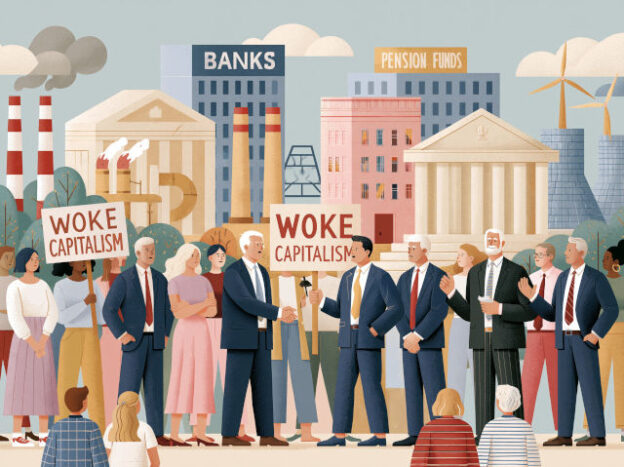
How Responsible Investment Became a Political Target in Florida’s Anti-Woke Agenda

New research from Griffith University has found fossil fuel companies played a significant role in shaping the United States state of Florida’s campaign against environmental and social governance (ESG) investing. The study, conducted by Associate Professor Erin O’Brien, examined the political strategies of Florida Governor Ron DeSantis and the broader anti-ESG movement emerging across the United States. The research revealed that Florida’s efforts to prevent banks and pension funds from investing in companies prioritising ESG principles reflected a wider national trend, with at least 18 US states introducing similar policies designed to restrict the use of ESG considerations in public investment decisions.

Associate Professor O’Brien found that the backlash against what critics labelled “woke capitalism” intensified as corporations increasingly integrated ESG principles into business operations and investment frameworks. Rather than remaining symbolic commitments, ESG initiatives began influencing corporate behaviour in areas such as climate action, labour standards, diversity, and ethical governance. According to the research, this growing corporate engagement with social and environmental issues triggered strong resistance from conservative political leaders and industry groups. The study argued that opposition to ESG investing was presented publicly as a defence of financial performance and shareholder interests, despite political leaders simultaneously framing ESG as a broader cultural and ideological threat.

The research highlighted how Governor DeSantis positioned anti-ESG policies within his larger “war on woke” political campaign. Through speeches, media appearances, and policy initiatives, ESG investing was portrayed as a dangerous form of political activism that threatened the interests of “everyday people”. Associate Professor O’Brien found that militarised and confrontational language was frequently used to elevate ESG investing into a high-stakes political conflict, justifying increased state intervention in financial markets. The rhetoric constructed a divide between ordinary citizens and so-called “corporate elites”, framing socially responsible investment as evidence that powerful financial institutions were imposing values on the public without democratic consent.

The study also examined how political figures, including Donald Trump, increasingly reframed responsible investment as a challenge to democratic legitimacy. Corporate actors promoting ESG principles were depicted as disconnected elites attempting to reshape society through economic influence rather than public debate or electoral processes. Associate Professor O’Brien argued that the political campaign against ESG investing was ultimately less about financial strategy and more about contesting who has the authority to shape the future direction and values of capitalist markets. The research suggested that these debates reflected broader struggles over political power, corporate responsibility, and the role of government in regulating economic activity.

The findings further identified the role of fossil fuel companies and aligned political organisations in promoting anti-ESG legislation across the United States. According to the research, these actors sought to prevent banks, pension funds, and investment managers from considering issues such as climate change, environmental risk, and modern slavery in their investment decisions. The study specifically pointed to the influence of the American Legislative Exchange Council, which was described as helping draft and distribute anti-ESG laws adopted by multiple states. Associate Professor O’Brien argued that the coordinated spread of anti-ESG legislation demonstrated how industry interests and political movements increasingly worked together to challenge responsible investment frameworks.

The research concluded that the growing political movement against ESG investing could have significant international consequences. By condemning values-based capitalism and portraying socially responsible investment as politically dangerous, governments may create an environment in which corporations feel encouraged to weaken or abandon environmental and social commitments. Associate Professor O’Brien noted that such developments could undermine global efforts to address climate change and corporate accountability. The study cited recent decisions by major resource companies, including BHP, to reconsider or delay emissions reduction strategies as evidence of a broader shift in the corporate landscape. The findings suggested that while anti-ESG campaigns present themselves as defending economic freedom, they may also reinforce ideological control over markets through the use of state power.

More information: Erin O’Brien, The war on woke capitalism: State deployment of discursive power in the backlash to responsible investment, Business and Politics. DOI: 10.1017/bap.2026.10022

Journal information: Business and Politics Provided by Griffith University

Passive AI Engagement in the Workplace May Contribute to Feelings of Meaninglessness

By the end of 2025, approximately 88% of organizations worldwide had incorporated artificial intelligence (AI) into at least one business function, according to McKinsey’s latest Global Survey on the state of AI. While AI tools are often promoted for their ability to improve productivity and efficiency, a new study published in Scientific Reports suggests that the way employees use AI may have important psychological consequences. Researchers found that passive AI engagement at work — where employees copy and paste AI-generated responses to complete tasks — may weaken employees’ sense of meaning, confidence, and ownership over their work.

The study, co-authored by Yidan Yin, assistant professor of management and organization at Penn State’s Smeal College of Business, recruited approximately 270 professionals working in fields such as human resources, communications, and management through the online research platform Prolific. Participants completed writing assignments similar to their daily workplace tasks under three different conditions: working manually without AI, collaborating actively with AI to develop ideas, or passively relying on AI-generated responses. Researchers then measured participants’ feelings of self-efficacy, work meaningfulness, and psychological ownership, as well as task enjoyment and satisfaction with the final product.

The findings revealed clear differences between collaborative and passive AI use. Participants who relied passively on AI experienced nearly 20% declines in feelings of ownership over their work and approximately 10% declines in both self-efficacy and perceived meaningfulness compared to those who completed tasks manually. In contrast, participants who used AI collaboratively — treating it as a brainstorming or support tool rather than a replacement for their own thinking — reported levels of confidence and meaningfulness similar to those who worked independently without AI assistance. The researchers concluded that the manner in which employees engage with AI may be just as important as whether they use AI at all.

To better understand whether these psychological effects would persist, researchers designed a second writing task in which all participants were required to complete the assignment manually without AI assistance. Even after returning to manual work, participants who had previously relied passively on AI continued to report lower levels of self-efficacy and work meaningfulness. According to Yin, this suggests that passive AI use may create lingering effects that are not easily reversed once employees begin doubting their own abilities or feeling disconnected from their work.

The study also found that passive AI use initially increased task enjoyment and satisfaction with work outcomes. Participants who copied AI-generated responses reported up to 29% higher enjoyment and satisfaction during the first task because they could complete assignments more easily and with less effort. However, these positive feelings quickly declined once participants returned to manual writing. Their satisfaction levels eventually dropped to 21% lower than those of participants who had consistently worked without AI. Yin explained that while passive AI use may provide short-term convenience, it can also reduce employees’ motivation to engage deeply with their tasks and increase fears that AI could eventually replace them.

The researchers emphasized that organizations should be thoughtful about how AI is introduced and encouraged in the workplace. Simply asking employees to maximize productivity through AI may unintentionally promote passive dependence on these tools, potentially leading to alienation and reduced engagement over time. Yin noted that businesses should focus on encouraging employees to use AI collaboratively in ways that support creativity, critical thinking, and skill development rather than replacing human contribution altogether. As AI adoption continues to expand rapidly across industries, the research team plans to continue examining how organizations can balance productivity gains with employees’ long-term psychological well-being.

More information: Elena Hayoung Lee et al, Relying on AI at work reduces self-efficacy, ownership, and meaning while active collaboration mitigates the effects, Scientific Reports. DOI: 10.1038/s41598-026-42312-6

Journal information: Scientific Reports Provided by Penn State

People Who Recognize Mutual Benefits Are More Likely to Seek Advice

Many people hesitate to ask others for advice because they fear being a burden or taking up unnecessary time. This reluctance can prevent individuals from gaining valuable guidance, support, and professional connections. A new study led by Anne Burmeister at the ECONtribute Cluster of Excellence demonstrates that this hesitation can be reduced when people understand that advice-giving benefits both parties involved. The study, titled “A Prosocial Perspective on Advice Seeking and Networking: How Focusing on What Advice Givers Can Gain Motivates Advice Seekers to Reach Out More,” was published in the prestigious Academy of Management Journal.

The researchers found that many individuals view advice-seeking as a one-sided interaction that only benefits the person asking for help. In psychology, this is referred to as the “illusion of inequity.” However, previous research has shown that people who provide advice often gain important benefits as well. They may feel valued, develop new insights, strengthen social relationships, and reflect more deeply on their own experiences and knowledge.

To examine whether awareness of these mutual benefits changes behaviour, Burmeister and co-author Daniel Levin conducted several experiments involving job seekers and employees from a variety of industries. Participants were encouraged to seek advice regarding career paths, companies, and professional opportunities. Some participants were explicitly informed that advice-givers could also benefit from these conversations. The findings revealed that individuals who recognised these reciprocal benefits were significantly more likely to seek support from others.

The impact of this simple intervention was substantial. The number of people reaching out for advice increased by nearly 40 percent, while the quality of the advice received remained consistently high. Importantly, the effect was strongest in situations where people are usually most reluctant to ask for help, such as when approaching unfamiliar individuals or people with higher status or authority. These are often the situations in which advice-seekers have the most to gain, yet fear and hesitation frequently prevent them from initiating contact.

The researchers conducted two controlled field experiments with job seekers and four additional online experiments involving employees from different sectors. This broad approach demonstrated that the findings apply not only to job searching but also to professional networking and workplace interactions more generally. The intervention itself was brief, taking less than an hour, yet it produced meaningful changes in behaviour and communication patterns.

According to Burmeister, understanding the benefits experienced by advice-givers can help people overcome concerns about burdening others and encourage greater participation in professional networking opportunities. The researchers suggest that this evidence-based approach could be incorporated into career counselling, leadership development, and employee training programmes. Organisations may also use these findings to promote knowledge sharing, strengthen workplace relationships, and encourage collaboration across departments and hierarchical levels.

More information: Anne Burmeister et al, A Prosocial Perspective on Advice Seeking and Networking: How Focusing on What Advice Givers Can Gain Motivates Advice Seekers to Reach Out More, Academy of Management Journal. DOI: 10.5465/amj.2024.0635

Journal information: Academy of Management Journal Provided by University of Cologne

Why Plant-Based Proteins Aren’t Filling Shopping Carts: Findings from SFU

Adding more plant-based proteins to meals could help consumers lower grocery costs while also supporting a more environmentally sustainable diet. However, new research from researchers at Simon Fraser University suggests that consumer decisions at the supermarket are shaped by more than simple price comparisons. The study found that affordability matters, but product variety and accessibility also strongly influence whether shoppers choose plant-based or animal-based proteins.

The research analysed more than 87,000 grocery shoppers in Canada and Finland using real-world loyalty card purchase data collected over two-year periods. The dataset included information from approximately 58,000 Canadian shoppers and 29,000 Finnish shoppers, allowing researchers to observe what consumers actually purchased rather than relying on surveys or self-reported eating habits. The findings were published in the scientific journal Nature.

Researchers tracked monthly purchases across seven plant-based protein categories, including legumes, tofu, plant-based beverages, and meat substitutes, along with 14 animal-based protein categories such as beef, pork, poultry, eggs, and dairy products. They then examined how changes in price affected purchasing patterns across different income and education levels.

The study found that rising prices reduced purchases of both animal-based and plant-based proteins, but meat purchases were more strongly affected by price changes. According to lead author Cameron McRae, this finding challenges the common assumption that price alone is the main obstacle preventing consumers from buying more plant-based foods. Instead, the research suggests the relationship between cost and consumer choice is more complex than previously understood.

Researchers also found that shoppers with lower socioeconomic status were generally more sensitive to price increases. However, the gap between higher- and lower-income consumers was smaller for plant-based foods than for animal-based products. Income appeared to play a larger role than education in influencing plant-based food choices. The findings suggest that expanding the variety of affordable plant-based products could make sustainable diets more accessible to a wider range of consumers.

McRae notes that meat shoppers often have multiple lower-cost alternatives available when prices rise, such as switching from steak to ground beef. Plant-based shoppers, by comparison, may face fewer affordable substitutes when only a small number of products are offered on store shelves. Researchers argue that if governments and retailers want consumers to adopt more climate-friendly diets, plant-based foods cannot remain positioned as premium products. The study highlights the importance of competitive pricing between animal- and plant-based proteins and suggests discounts or subsidies for plant-based foods could encourage broader adoption.

While highly processed plant-based substitutes can sometimes increase grocery bills, the researchers emphasise that whole foods tell a different story. Simple ingredients such as beans, lentils, and peas remain among the most affordable sources of protein available. McRae says consumers may find meaningful savings by replacing meat with legumes even a few times each week. According to the study, focusing on minimally processed plant-based foods rather than expensive one-to-one substitutes may allow households to build diets that are both more affordable and more environmentally sustainable.

More information: Cameron McRae et al, Plant-based protein foods are less sensitive to price changes than animal-based ones, with differences across income and education levels, Nature. DOI: 10.1038/s44458-026-00040-y

Journal information: Nature Provided by Simon Fraser University

How ‘Charming’ Language Influences Us: Insights from a New Study

Big brands have long relied on catchy slogans to distinguish themselves from competitors, often making glowing claims that are impossible to verify. Marketers refer to this type of language as “puffery” — subjective praise designed to create positive impressions rather than communicate factual information. For decades, courts and regulators have generally treated puffery as harmless exaggeration, assuming that consumers recognise it as promotional language and largely ignore it when making purchasing decisions.

However, new research from the University of Missouri challenges that assumption. A study led by Michael Thomas, an assistant professor of marketing in the Robert J. Trulaske, Sr. College of Business, found that puffery can significantly influence consumer behaviour, even when unknown sellers use it without an established brand reputation. According to Thomas, the findings suggest that seemingly harmless descriptive language may quietly shape purchasing decisions more than previously believed.

“Courts assume reasonable consumers ignore this kind of language,” Thomas explained. “But when we looked at real decisions involving real money, we saw that these words were quietly doing a lot of work.” His research examined how subjective terms influence actual consumer choices rather than relying solely on surveys or laboratory experiments.

Studying puffery has historically been difficult because slogans and advertising language are often closely tied to well-known brands. When consumers see familiar phrases repeated over decades, researchers cannot easily determine whether the language itself is persuasive or whether the brand’s long-standing reputation drives consumer trust. To overcome this challenge, Thomas turned to Airbnb, whose constantly changing rental listings created a unique opportunity to isolate the impact of language.

Unlike traditional advertising campaigns, Airbnb hosts frequently revise property descriptions while the actual properties remain unchanged. Using data from more than 219,000 Airbnb listings, Thomas analysed how changes in wording affected booking rates over time. His study found that adding subjective terms such as “charming,” “cozy,” or “lovely” increased bookings by approximately 0.2%, an effect comparable to adding factual information about amenities or location details.

“At scale, we can observe small effects,” Thomas said. “When you see the same pattern across hundreds of thousands of listings, it tells you something meaningful is happening.” The results directly challenge the long-standing belief that puffery is essentially meaningless because consumers disregard it. Instead, the findings suggest that subjective praise can subtly shape perceptions and purchasing behaviour in measurable ways.

Importantly, the study found no evidence that consumers later regretted purchases influenced by puffery. Researchers examined Airbnb reviews and found no indication that guests who booked listings with more flattering language expressed greater dissatisfaction afterwards. Thomas noted that while some critics may worry puffery encourages poor purchasing decisions, the data did not support that concern.

To conduct the large-scale text analysis required for the study, Thomas used OpenAI’s ChatGPT to identify and classify subjective claims according to established legal definitions of puffery. Artificial intelligence allowed the research team to analyse language patterns across hundreds of thousands of listings — a task that would have been nearly impossible manually. The findings suggest that while objective details such as price, amenities and location remain essential, carefully chosen descriptive language may further increase consumer interest and demand.

More information: Michael Thomas et al, Does Puffery Sell? Evidence from Airbnb, Journal of Marketing Research. DOI: 10.1177/00222437261444259

Journal information: Journal of Marketing Research Provided by University of Missouri-Columbia

Why More Americans Feel Pressured to Arm Themselves

A new study from Dartmouth College explores how fear, social influence, and personal decision-making have contributed to the United States becoming one of the most heavily armed countries in the world. Researchers say the nation now has approximately 120 firearms for every 100 people, a level of civilian gun ownership unmatched globally. The study examines why individuals continue purchasing firearms even when widespread gun ownership may ultimately reduce overall public safety.

Published in Science Advances, the research introduces the concept of “overarming,” a situation in which the social costs of widespread firearm ownership outweigh the personal benefits individuals believe they gain from owning guns. According to the researchers, people often buy firearms because they believe doing so will increase their personal security. However, when many people make the same decision, society as a whole may become more dangerous rather than safer.

To better understand this behaviour, the research team developed a mathematical model based on evolutionary game theory, a method used to study how individual decisions shape collective outcomes. The model examined how social factors influence a person’s decision to buy a firearm and how those choices affect the decisions of others within the same community or social network. The findings suggest that as more people arm themselves, others increasingly perceive the world around them as threatening and feel pressured to buy firearms for protection. This creates a self-reinforcing cycle in which fear encourages gun purchases, and rising gun ownership further intensifies fear.

“Our work is not an argument against guns,” said Feng Fu, associate professor of mathematics and the study’s corresponding author. “There are benefits to firearm ownership, and we find that a socially optimal level of ownership may be greater than zero. The problem is systematic overarming, which creates a disconnect between individual interests and the well-being of society.” Fu added that the gap between personal decisions and broader social outcomes is not merely theoretical, noting that higher gun ownership rates are consistently associated with higher rates of gun-related deaths.

The researchers tested their model using firearm sales data collected during the COVID-19 pandemic, a period that saw the highest gun sales in American history. Concerns about personal safety, social unrest, political instability, and uncertainty about the future led many Americans to purchase firearms. The team observed what they described as an arming-and-fear feedback loop, where increasing gun ownership caused more people to feel unsafe, which in turn encouraged even more gun purchases. Co-author Daniel Rockmore explained that as more people arm themselves, others begin to view the world as increasingly dangerous, making firearm ownership appear necessary for self-protection.

Co-author Michael Herron compared the phenomenon to the Cold War doctrine of mutually assured destruction, in which competing sides continue stockpiling weapons because neither wants to risk being less prepared than the other. Similarly, individuals may continue arming themselves because they fear being the only unarmed person in a confrontation. The researchers also studied real-world social networks, including gang networks in Montreal, rural communities in Honduras, and social ties on an American university campus. They found that social networks can either amplify fear or help reduce it. The team suggests that stronger community connections, along with public information campaigns that help people more accurately assess real risks, may help break the cycle of fear-driven gun ownership and reduce overarming over time.

More information: Feng Fu et al, Bivalent Impact of Social Networks on Overarming: Model-Based Insights on the Alignment between Social and Individual Interests, Science Advances. DOI: 10.1126/sciadv.aed3904

Journal information: Science Advances Provided by Dartmouth College