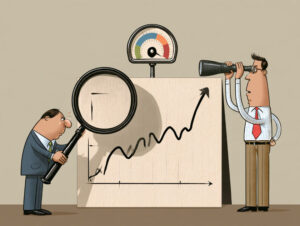
When people receive new information, they often adjust what they believe. But those adjustments are not always proportional to the evidence. Sometimes people change their…
When brands invest millions in nostalgia-driven advertising—such as Super Bowl commercials—they face a critical question: what if they choose the wrong era? Nostalgia is a…
Simply explaining where customers’ money goes could make them more willing to accept higher prices, according to new research from the University of Surrey. Published…
Companies that sell parts of their businesses to raise money for upcoming acquisitions tend to secure better deals and stronger investor backing, according to recent…
Individuals exit their positions for a multitude of reasons, be it redundancy, dismissal, or voluntarily stepping away. Yet, the impact of these departures on the…
A study involving MIT scholars has uncovered that a significant number of employees underestimate the wages offered by other companies, often believing their peers in…