Monthly Archives: September 2026

How Climate Change Is Reducing Worker Productivity

As the climate warms, workers around the world are increasingly exposed to heat stress, reducing their ability to work safely and productively and creating substantial economic costs. A University of California, Davis study has quantified how rising temperatures affect global labour productivity and contribute to the broader economic costs of climate change.

Published in Nature Climate Change, the study estimates that each tonne of carbon dioxide emitted in 2025 causes about $41 in lost worker productivity. The researchers found that densely populated regions reaching critical combinations of heat and humidity are particularly affected, including parts of India, Nigeria, China and Pakistan, as well as the Middle East and sub-Saharan Africa.

Lead author Frances Moore, a professor in the UC Davis Department of Environmental Science and Policy, said the findings add to growing evidence about the real economic costs of climate change. According to the study, lost labour productivity is the second-largest contributor to the total social cost of carbon, behind heat-related deaths.

The social cost of carbon, or SC-CO2, measures the monetary damage caused by emitting one additional tonne of carbon dioxide. It can be used in cost-benefit analyses and decisions involving infrastructure, utility regulation and carbon policy. The researchers said their findings provide strong support for a social cost of carbon of about $200 per tonne.

To estimate the effects on workers, the researchers combined climate projections using the “wet-bulb globe temperature” (WBGT) with information about work intensity and outdoor exposure across jobs, regions and economic sectors. WBGT assesses heat stress by considering not only temperature but also factors such as humidity and wind that affect the body’s ability to release heat.

The impact of heat stress varies considerably by occupation and location. Agricultural and construction workers face particularly high exposure because their jobs often involve strenuous physical activity outdoors. Office and service workers generally face lower risks, but indoor workers can also experience dangerous heat when workplaces have limited or no air conditioning.

Access to cooling also differs dramatically between countries. The study noted that residential air-conditioning adoption across 33 countries ranged from virtually none in South Sudan to about 90% in Japan. These differences mean that workers facing similar temperatures may experience very different levels of heat exposure and productivity loss depending on local infrastructure and working conditions.

The researchers emphasised that air conditioning is not the only way to reduce heat-related risks. Providing shade, drinking water and adequate rest breaks, as well as shifting strenuous work to cooler hours when possible, can help protect workers. As extreme heat becomes more frequent and intense, the study suggests that employers and policymakers will increasingly need to treat heat as both a workplace health hazard and a significant economic challenge.

More information: Frances Moore et al, New labour and agricultural damages improve climate cost estimates, Nature Climate Change. DOI: 10.1038/s41558-026-02749-z

Journal information: Nature Climate Change Provided by University of California – Davis

Extreme Droughts and Floods Get Surprisingly Little Media Coverage

Three factors—dramatic images, a high death toll and strong personal ties—make it more likely that news media in one country will report on a natural disaster in another, according to research from the University of Bonn, the University of Warwick and Imperial College London. Published in Nature Human Behaviour, the study also found that droughts and floods—two major consequences of climate change—receive surprisingly little international media attention.

The researchers analysed data from the Europe Media Monitor, a European Commission database that tracks stories published by 20,000 news sources across 190 countries. They examined more than 2,600 officially recorded natural disasters since 2016 to determine which events were most likely to attract news coverage beyond the countries directly affected.

Their analysis identified three factors that consistently influenced international coverage. Sudden disasters accompanied by dramatic images, including earthquakes, volcanic eruptions, avalanches and forest fires, were particularly likely to make international headlines. The number of deaths also mattered: disasters with higher death tolls generally received more coverage abroad.

A third major factor was the strength of personal connections between people in the reporting country and those in the country experiencing the disaster. “Surprisingly, this has nothing to do with geographical proximity or similarity of language,” said Professor Thiemo Fetzer of the University of Bonn and the University of Warwick. Instead, the researchers found that strong social ties were an important predictor of international media attention.

The researchers measured these connections partly through the Social Connectedness Index, which uses Facebook friendships to estimate social links between countries relative to their populations. They also found an association between genetic similarity and media coverage. However, the researchers emphasised that genetic similarity itself is unlikely to cause greater interest; rather, it can reflect historical migration and longstanding personal connections between populations.

Ireland and the United States provide one example. Around 1.5 million Irish people emigrated to America during the Great Famine in the 19th century, creating enduring connections between the two countries. Such historical relationships can help explain why disasters in some geographically distant countries attract more attention than disasters occurring closer to home.

These personal ties may also foster greater empathy. Based on relationships identified in the study, the researchers calculated that German media would respond similarly to a storm in Mexico killing 62 people and one in Bangladesh killing 100, despite Bangladesh being geographically closer to Germany. Fetzer argues that these patterns demonstrate how personal connections can shape perceptions of events happening far away.

The findings may have important implications for public understanding of climate change. Droughts tend to receive coverage mainly within the countries where they occur, while floods also attract less international attention than sudden disasters such as earthquakes or avalanches. Because these climate-related disasters often fail to reach international headlines, their wider consequences may be easier for people elsewhere to overlook. As Fetzer concluded, this lack of attention can make the effects of global heating easier to ignore—at least until they reach people’s own communities.

More information: Thiemo Fetzer et al, Uneven patterns of cross-border media coverage following natural disasters, Nature Human Behaviour. DOI: 10.1038/s41562-026-02512-6

Journal information: Nature Human Behaviour Provided by University of Bonn

How Public Sentiment on the Economy Shapes Hedge Fund Returns

Economists have long used measures of public sentiment about the economy to forecast financial outcomes such as consumer spending and economic growth. New research from Penn State, Florida International University, the University of Cincinnati and California State University, Fresno, suggests that public perceptions of the economy may also help explain hedge fund returns.

Timothy Simin, professor of finance at Penn State’s Smeal College of Business, and his colleagues used data from the Thomson Reuters MarketPsych Indices to develop a broad measure known as a macro sentiment index. Their study, published in the Journal of Banking & Finance, examined how hedge funds respond to shifts in public optimism and pessimism about the economy.

Traditional sentiment measures typically rely on surveys or financial market outcomes. The researchers instead used natural language processing to analyse millions of articles from about 2,000 professional news agencies and 800 social media outlets. The analysis assessed the tone of coverage about economic growth, inflation, unemployment, bond markets, politics and social disorder, combining these signals into a single index.

The approach provides a more timely and detailed picture of economic sentiment than conventional surveys. It also captures the news and social media channels through which people increasingly form their perceptions of economic conditions. According to the researchers, this makes it possible to examine not only whether people are optimistic or pessimistic, but also the economic issues driving those views.

The team then measured how sensitive approximately 15,000 hedge funds were to changes in macroeconomic sentiment. Funds whose returns tended to move against public sentiment outperformed those moving with sentiment by about 0.4% per month, equivalent to roughly 5% annually. The relationship remained after accounting for factors including fund size, age, fees, volatility, inflation, default risk and economic uncertainty.

The researchers suggest that hedge funds can benefit by taking the opposite side of sentiment-driven trades. When optimism or pessimism becomes particularly strong, investors may push asset prices away from levels justified by underlying business fundamentals. Hedge fund managers with sufficient expertise and capital can take contrarian positions and potentially profit when prices eventually adjust.

However, betting against public sentiment carries substantial risk. Market sentiment can continue moving in the same direction for an extended period, causing contrarian positions to lose money before any correction occurs. Hedge funds facing investor withdrawals may also be forced to abandon positions at unfavourable times. The researchers therefore argue that higher returns are compensation for bearing sentiment risk rather than simply evidence of superior stock-picking or market-timing skills.

The findings suggest that sentiment expressed through news and social media is more than background noise: it can influence asset demand and market prices. Similar, though weaker, patterns were found among actively managed mutual funds and individual stocks, strengthening the case that macro sentiment represents a broader economic risk factor. The effect was also symmetric, with contrarian funds benefiting when sentiment was unusually positive or negative, suggesting that investors may be rewarded for taking the unpopular side of the market’s emotional swings.

More information: Mustafa Caglayan et al, Macro sentiment and hedge fund returns, Journal of Banking & Finance. DOI: 10.1016/j.jbankfin.2026.107685

Journal information: Journal of Banking & Finance Provided by Penn State

Intoxicating Hemp Posts on Instagram Show Strong Youth Appeal and Few Warnings

Brands selling intoxicating hemp products such as Delta-8 THC are using memes, cartoons and pop-culture references to promote their products on Instagram, while rarely providing health or age warnings, according to a new study published in Addiction.

Researchers analysed 837 Instagram posts published between February 2024 and February 2025 by nine leading brands selling products containing intoxicating hemp-derived cannabinoids, including Delta-8 THC, HHC and THC-P. Previous research has found that cannabis marketing on social media can increase positive perceptions of cannabis and its use, while youth-oriented visuals may be particularly appealing to younger audiences.

Nearly half, or 49.6%, of the posts contained youth-oriented content, including memes, cartoons and pop-culture references. Recreational marketing was also widespread, appearing in 52% of posts and often promoting effects such as relaxation and happiness or showing products in everyday social and leisure settings. By contrast, health and age warnings appeared in just 2.5% of posts.

Marketing approaches also varied by product type. Beverage posts were particularly likely to use recreational themes, at 84.3%, while 56.9% contained youth-oriented themes. Youth-oriented content was also found in 53.5% of posts promoting cartridges and vapes and 49.2% of those promoting edible products.

“These findings show how brands selling intoxicating hemp products target youth audiences with dangerously few safeguards,” said study co-author Alisa A. Padon, research director of Getting it Right from the Start (GIRFTS), a programme of the Public Health Institute. She called for maintaining the federal prohibition scheduled to take effect in November and for stronger standards governing social media marketing to young people.

The researchers examined posts from nine brands: CannaAid, Cycling Frog, Delta Extrax, Elyxr, Fly Urb, Hometown Hero, Koi CBD, Mood and Official Canna River. Each post was coded for factors including product descriptions and imagery, recreational appeals, youth-oriented cues, brand positioning, health claims, and health and age warnings. The authors said the findings add to concerns about the rapid growth of intoxicating hemp products in the United States amid reports of poisonings, emergency department visits and psychotic episodes.

The policy debate dates to the 2018 Farm Bill, whose definition of hemp created a loophole that allowed intoxicating hemp-derived products to proliferate outside many of the safeguards governing state-regulated cannabis. Congress moved to close that loophole in 2025 by passing Public Law 119-37. The law narrows the federal definition of hemp, caps the amount of THC allowed per package and is scheduled to prohibit affected intoxicating hemp products beginning November 12, 2026.

That prohibition, however, now faces efforts to delay or replace it. The Senate has passed legislation, still awaiting House approval, that would postpone the restrictions until December 11, 2026. Separately, H.R. 9830 would replace the prohibition with a regulatory framework allowing higher THC levels and certain synthesised forms of THC. GIRFTS director Lynn Silver said the study demonstrates why the November prohibition should remain in place, arguing that replacing it with a more permissive framework could create a federally legal intoxicating THC market outside both state-regulated cannabis systems and states that prohibit cannabis.

More information: Kathryn La Capria et al, Marketing features of derived intoxicating cannabinoid product brands on Instagram: A content analysis, Addiction. DOI: 10.1111/add.70576

Journal information: Addiction Provided by Public Health Institute

Fast-Food Brand Preferences May Be a Window Into Diet Quality

A fondness for well-known fast-food and sugar-sweetened beverage brands may be a warning sign of poorer overall diet quality, even among people who recognise those brands as unhealthy, a new study suggests. Researchers say emotional attachment to food brands may influence eating habits in ways that nutritional knowledge alone cannot overcome.

Poor diet is a major contributor to obesity, type 2 diabetes, heart disease and some cancers, and can increase the risk of premature death. Researchers are increasingly examining whether the widespread marketing of fast food and sugary drinks contributes to diet-related chronic diseases by shaping consumers’ attitudes and choices.

“When people develop a psychological loyalty to fast-food brands, it acts as a strong predictor of their saturated fat and sugar intake – regardless of how healthy they perceive these brands to be,” said senior author Dr Poppy Watson from the University of Technology Sydney (UTS).

The research found that people who liked fast-food brands tended to consume more saturated fat and sugar. They were also more likely to perceive their preferred brands as healthier. According to the researchers, nutritional knowledge played a role in these perceptions, but how much participants liked a brand was an even stronger predictor of how healthy they believed it to be.

Published in the Journal of Health Communication, the research suggests that repeated exposure to branding may build familiarity and positive feelings that can spill over into perceptions of healthiness and dietary choices. The multidisciplinary research team included experts in medical science, psychology and marketing from UTS.

Researchers examined adults in Australia and the United States in two separate studies. Participants completed comprehensive dietary questionnaires and were asked about their attitudes towards fast-food and beverage brands, including how much they liked the brands and how healthy they believed them to be. The results revealed a consistent relationship between positive brand attitudes and poorer dietary patterns.

“Unhealthy food marketing is pervasive in retail, media, sport and other settings,” Watson said. She noted that companies invest heavily in marketing because it can influence purchasing decisions, even though consumers may not always recognise how strongly advertising and branding affect their choices. About one-third of calories consumed by adults in Australia and the US come from “discretionary” foods and drinks, including energy-dense products high in sugar, salt and saturated fat.

The findings suggest that improving nutritional knowledge may not be enough to encourage healthier eating if powerful brand attachments continue to shape perceptions and behaviour. Researchers argue that consumers should be more aware of how marketing can influence their health judgements. In contrast, governments and public health organisations may need to consider stronger restrictions on unhealthy-food advertising. Emotional attachment to a favourite fast-food brand, the study suggests, could influence what ends up on the plate despite nutrition warnings.

More information: Simone Rehn et al, Liking Fast-Food Brands Predicts Poorer Diet Quality, Independent of Perceived Healthiness, Journal of Health Communication. DOI: 10.1080/10810730.2026.2725159

Journal information: Journal of Health Communication Provided by University of Technology Sydney

Why Some AI Ads Work While Others Fall Flat

Artificial intelligence can create remarkably realistic images and experiences, but that does not mean advertisers should use it simply because they can. A study led by University of Mississippi researchers suggests that consumers respond more positively to AI-powered advertising when there is a clear reason for the technology to be part of the campaign.

Some AI-supported campaigns have been warmly received, while others have faced criticism. Coca-Cola’s 2023 Create Real Magic platform, for example, invited consumers to use AI to create artwork featuring the company’s branding. By contrast, its 2025 “Holidays Are Coming” commercial drew online backlash over its use of AI-generated imagery.

In a study published in the Journal of Interactive Advertising, University of Mississippi researchers Chang-Won Choi and Robert Magee examined why reactions can differ so dramatically. Choi said marketers should begin with the campaign concept rather than deciding first that they want to use AI. “Marketers should start with the campaign idea first, and ask ‘Is AI necessary?’” he said.

Create Real Magic illustrates how AI can become an essential part of a campaign rather than simply a production shortcut. The platform allowed consumers to generate thousands of unique pieces of artwork, something that would have been difficult to accomplish on the same scale without AI. In cases like this, Choi said, consumers can readily understand why the technology was used.

Problems can arise when AI appears unnecessary, particularly when it replaces creative work that could have been produced conventionally. Consumers may interpret this as a shortcut or feel uncomfortable with imagery that seems almost, but not quite, human. This reaction is associated with the “uncanny valley” effect, in which highly human-like artificial creations provoke feelings of unease.

The risk may be even greater when advertisers use AI-generated imagery to provoke strong emotions. Artificial depictions of people in distress, for example, can make audiences feel manipulated rather than emotionally connected. Magee said organisations need to emphasise that real people remain behind their brands, particularly when using technology capable of producing content that may feel artificial or contrived.

The researchers describe another important factor as the “AI-ad theme match”. A strong match occurs when AI is integral to the campaign’s purpose, such as creating personalised experiences that would otherwise be difficult or impossible to deliver. “In that case, AI is not just a cheaper production tool; it’s an important part of the creative idea,” Choi said. When the technology serves no obvious purpose, consumers may instead see it as a cost-cutting measure.

Attitudes towards AI advertising may nevertheless evolve as the technology becomes more familiar. Magee compared the shift to changing attitudes towards computer-generated imagery in films. CGI was once conspicuous and sometimes controversial, but audiences have largely grown accustomed to it. AI could follow a similar path. For now, the researchers suggest advertisers should use the technology selectively, ensuring that it strengthens the creative concept rather than simply replacing human creativity.

More information: Chang-Won Choi et al, Overcoming the Uncanny Valley Effect in AI-Generated Emotional Ads: Matching AI to Ad Themes, Journal of Interactive Advertising. DOI: 10.1080/15252019.2026.2701061

Journal information: Journal of Interactive Advertising Provided by University of Mississippi

How Companies Quietly Weaken Opposition

What happens when employees, activists, or communities begin pushing back against a powerful company? The response may start long before a protest gains momentum or a union campaign reaches a vote. New research suggests that companies can use a range of tactics to discourage opposition at different stages — from shaping perceptions before people organise to making participation more difficult and breaking apart movements once they gain strength.

One example unfolded in 2016, when Amazon workers began organising at a warehouse in Chester, Virginia. The company tracked where employees gathered, posted anti-union messages in bathroom stalls, and held town halls aimed at discouraging the effort. The National Labor Relations Board later required Amazon to acknowledge in writing that it had illegally surveilled and threatened workers. Despite the organising effort, the union drive ultimately failed.

According to new research from Timothy Werner, a professor of business, government, and society at the McCombs School of Business at The University of Texas at Austin, this sequence of anticipating, disrupting, and escalating opposition is not random. Werner argues that it reflects a broader corporate strategy he calls “organisational repression”, a term adapted from research examining how governments suppress political dissent.

Werner applies the concept to the ways companies respond to collective pressure from stakeholders, including employees, activists, and communities. Working with Natalie Holzaepfel and Olga Hawn of The University of North Carolina at Chapel Hill, he developed a framework that brings practices ranging from union-busting to greenwashing under a common strategic umbrella. The researchers argue that these seemingly different actions may share the same goal: weakening stakeholders’ ability to organise and exert pressure.

The framework follows three stages through which stakeholder movements typically develop: emergence, when individuals privately recognise a grievance; coalescence, when people begin organising around it; and formalisation, when the movement becomes structured and builds alliances. At each stage, companies can employ different strategies designed to discourage collective action or prevent a movement from gaining strength.

During the emergence stage, companies may try to prevent mobilisation before it begins by convincing people there is little reason to act or that activism is unlikely to succeed. Once a movement enters the coalescence stage, companies may focus on making participation more costly or less attractive. During a 2024 unionisation campaign among Delta Air Lines flight attendants, for example, the airline offered a 5% pay increase to nonunion workers. Other tactics identified by the researchers include demotions, scheduling changes that interfere with organising meetings, and threats of dismissal directed at known organisers.

When a movement reaches formalisation, corporate strategies may shift towards dividing members and isolating the movement from outside allies. Werner cites Energy Transfer’s response to protests against the Dakota Access Pipeline. The company allegedly hired private security firms to disrupt activist networks and pursued lawsuits against protest organisations, ultimately winning more than $600 million from Greenpeace.

The researchers stress that their framework does not make an ethical judgement about organisational repression. Instead, they argue that these practices represent a systematic but underexplored area of corporate strategy. Such tactics can also backfire: overly aggressive action may generate public sympathy and strengthen opposition. Werner and his colleagues now plan to test their theory using whistleblower reports, lawsuits, and leaked corporate documents to determine how frequently companies use these strategies and how effective they are in practice.

More information: Natalie Holzaepfel et al, Organizational Repression of Stakeholder Collective Action, Academy of Management Review. DOI: 10.5465/amr.2024.0426

Journal information: Academy of Management Review Provided by University of Texas at Austin

Luck or Merit? Not All Inequality Is Viewed the Same Way

Imagine two people ending up equally wealthy—but one built their fortune through years of hard work, while the other won the lottery. Would you view their wealth in the same way? And if society wanted to redistribute some of that money, would it matter how each person became wealthy in the first place? New research suggests that for many people, the answer is yes—but attitudes towards luck, merit and economic inequality vary considerably around the world.

Economist Ingvild Almås of the University of Zurich is investigating why people are willing to accept inequality and when they support redistribution, such as higher taxes on the wealthy. “Inequality is an important global issue. A key question is how inequality is morally justified in the society,” says Almås. Her recently published study, conducted with Norwegian colleagues, reveals substantial differences between countries.

The study surveyed 65,000 people across 60 countries, representing about 80 percent of the world’s population. Participants were presented with scenarios involving real workers on an online labour market platform and asked how bonuses should be distributed—for example, according to performance or through a random lottery. Researchers also examined participants’ attitudes towards redistributing wealth through taxation and other policy measures.

Overall, people were more willing to accept inequality when financial rewards resulted from work rather than chance. This merit-based view of fairness was especially strong in countries such as Switzerland. “We see a merit-based understanding of fairness primarily in countries with democratic political systems that are richer, more equal, and more individualistic,” says Almås. Even so, Swiss participants showed some support for redistribution when inequality resulted from luck.

Attitudes differed considerably elsewhere. Researchers found greater acceptance of wealth gained through luck in non-Western countries, including China and India. Many participants in these countries also opposed redistributing wealth acquired by chance. Almås suggests that cultural and other factors may help explain these differences. Future research will examine whether attitudes towards redistribution are associated with different religious beliefs.

The researchers also considered whether people tolerate inequality because redistribution may carry economic costs. For instance, some may believe that higher taxes discourage high earners from working as much, potentially reducing economic activity. However, the study found that such concerns played a much smaller role globally than perceptions about how inequality arose in the first place—particularly whether it resulted from luck or merit.

The findings also highlight the importance of studying human behaviour beyond so-called WEIRD societies—Western, educated, industrialised, rich and democratic countries—which have traditionally been heavily represented in social science research. “The findings have revealed a significant contrast between Western and non-Western societies,” says Almås, suggesting that ideas about fairness cannot necessarily be generalised across cultures.

By examining attitudes across such a broad range of countries, the study offers a more global picture of how people morally justify inequality. The findings suggest that acceptance of unequal outcomes depends not simply on how large the gap is, but also on why that gap exists. Understanding these differences may help explain why societies vary in their support for taxation, redistribution and other policies aimed at reducing economic inequality.

More information: Ingvild Almås et al, Fairness Across the World, The Quarterly Journal of Economics. DOI: 10.1093/qje/qjag044

Journal information: The Quarterly Journal of Economics Provided by University of Zurich

Cannabis Marketing May Affect Perceptions of Cannabis and Sexuality

Alcohol advertisers have long faced industry guidelines discouraging them from linking drinking with sexual success, but cannabis marketers have no comparable industrywide standards. A new Washington State University study suggests cannabis advertising associated with sex and intimacy may influence young adults’ intentions to use cannabis before sex, with potential implications for sexual decision-making and consent.

Published in Communication Research, the study found that college students who interpreted advertisements as suggesting cannabis could lead to better sex were more likely to expect those benefits themselves and to say they might use cannabis before sex. This association emerged whether or not the advertisements explicitly featured sexual themes.

The findings are based on an online experiment involving 747 Washington college students who viewed real cannabis advertisements previously posted on Instagram. Rather than asking participants to recall cannabis marketing they had encountered in the past, researchers showed everyone specific advertisements, allowing them to examine how individuals interpreted the same messages and whether those interpretations influenced their expectations and intentions.

Participants viewed advertisements featuring sexual, romantic or recreational imagery, including couples in intimate settings and friends socialising around a bonfire. They were then asked what messages they took from the advertisements, what effects they expected from using cannabis before sex and whether they intended to do so.

Simply viewing an advertisement with sexual or romantic content did not consistently predict participants’ responses. Instead, their interpretation of the message appeared to matter more. Those who believed an advertisement suggested cannabis could improve sex were more likely to expect it to enhance their own sexual experiences or reduce nervousness and were also more likely to consider using cannabis before sex.

“It wasn’t as simple as seeing a message and automatically being influenced by it,” said lead author Jessica Fitts Willoughby, a professor in WSU’s Edward R. Murrow College of Communication. “The stronger connection appeared when someone interpreted the ad as saying cannabis makes sex better and then they thought it might do the same for them.”

Researchers also identified differences between men and women. Men who wanted to resemble the men portrayed in sexual or romantic advertisements, who were often depicted as physically fit, attractive and masculine, were more likely to report an intention to use cannabis before sex. Women who felt the advertisements raised concerns about sexual consent, however, were less likely to report such intentions. The researchers said this finding could inform public health messages about cannabis, decision-making and consent.

The findings may also contribute to discussions about cannabis advertising standards. Washington prohibits cannabis advertising aimed at people under 21 but does not specifically prohibit suggestions that cannabis can improve sexual or romantic experiences. Unlike the cannabis industry, the distilled spirits industry has long maintained voluntary guidelines restricting claims linking alcohol with sexual success. Study co-author Stacey J.T. Hust said the research raises a broader question about whether cannabis advertising should be regulated more like advertising for other adult-use products, including alcohol.

More information: Jessica Fitts Willoughby et al, Sex, Romance, or Recreation? An Experiment Testing the Effects of Cannabis Brand-generated Social Media Ads on College Students’ Expectancies and Intentions to Use Cannabis Prior to Sex, Communication Research. DOI: 10.1177/00936502261480401

Journal information: Communication Research Provided by Washington State University

Investor Pressure on ESG May Prompt Firms to Transfer Pollution to Suppliers

Investors who evaluate companies using environmental, social and governance (ESG) criteria are increasingly expected to use their influence to encourage more sustainable business practices. New research published in Strategic Management Journal finds that companies facing strong pressure from ESG investors tend to produce fewer direct emissions, but may sometimes shift pollution-intensive activities to suppliers instead.

The study found that while this outsourcing can lower emissions reported directly by a company, it does not necessarily reduce the combined emissions of the company and its suppliers. However, the researchers also found evidence that pollution outsourcing can be reduced when ESG investors help companies adopt greener technologies and extend their oversight to supplier practices.

ESG investing has grown substantially since the United Nations established the Principles for Responsible Investment (PRI) initiative in 2006. Assets under management by PRI-signatory investors increased from a few hundred billion dollars to more than $100 trillion by 2021, highlighting the considerable influence these investors may have on corporate environmental and social practices.

Researchers Shipeng Yan of the University of Hong Kong, Fan Zhang of Bentley University and Zhengyu Li of the University of Melbourne examined whether ESG investment genuinely improves companies’ overall environmental performance or moves pollution elsewhere in the supply chain. “Earlier research often used ESG ratings as the main outcome, which made sense at the time, but we now understand much better both what ratings capture and what they can miss,” Yan says.

The researchers focused on whether greater ownership by ESG-oriented investors influenced companies’ decisions to transfer pollution-intensive activities to suppliers. Using investor-level merger and acquisition events as quasi-experimental changes in firms’ ESG ownership, they analysed a global sample of companies between 2006 and 2019, drawing on greenhouse gas emissions data from Trucost.

Their analysis found that greater ESG investor ownership was associated with more pollution outsourcing to suppliers. Although companies could reduce their own direct emissions this way, the researchers found no corresponding decline in overall carbon emissions when emissions across the company and its suppliers were considered together.

One challenge is that investors often have much better information about the companies they own than about their suppliers. “Even experienced ESG investors may have good information about a focal firm but only fragmented information about its suppliers,” Yan says. Determining whether pollution is being shifted would require detailed supplier-level information about production, emissions and sourcing relationships, which may be incomplete, voluntary or commercially sensitive.

Despite these challenges, ESG investors may be particularly well positioned to help reduce pollution outsourcing. They can facilitate access to green technologies available through other companies in their portfolios, helping firms develop cleaner production capacity. At the same time, ownership stakes in suppliers may give them greater influence across supply chains. “The solution is not to expect investors to become procurement specialists, but to combine better value-chain disclosure and data with investor engagement, supplier oversight, and support for green technologies,” Yan says.

More information: Shipeng Yan et al, ESG investing and pollution outsourcing, Strategic Management Journal. DOI: 10.1002/smj.70115

Journal information: Strategic Management Journal Provided by Strategic Management Society

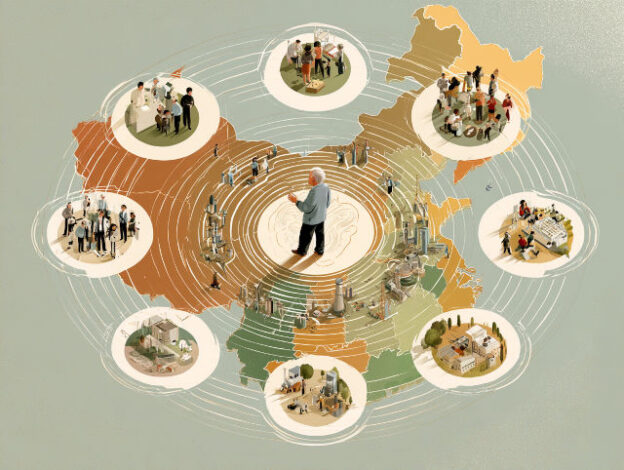
Parkinson’s Disease Could Have a CNY 473 Billion Economic Impact on China by 2040

Parkinson’s disease is a progressive neurological disorder affecting movement, cognition, and daily functioning. As China’s population ages, the number of people living with the disease and demand for long-term care are expected to rise. Previous Chinese studies have focused mainly on direct medical spending or short-term costs to patients and families, leaving the broader economic consequences less understood.

To address this gap, a new study published in Science Bulletin assessed the long-term economic burden of Parkinson’s disease across 31 mainland provinces from 2020 to 2040. The research team was led by Dr. Maigeng Zhou from the Chinese Center for Disease Control and Prevention, in collaboration with Prof. Simiao Chen from Heidelberg University and Peking Union Medical College.

The researchers combined multiple data sources within a health-augmented macroeconomic model (HMM) to examine how Parkinson’s disease affects the wider economy. Unlike traditional cost-of-illness studies, which typically calculate medical expenses and short-term productivity losses, the model captures interconnected pathways through which disease can influence long-term economic growth.

Deaths from Parkinson’s disease reduce the labour force, while disability among surviving patients can contribute to earlier retirement, lower labour force participation, absenteeism, fewer working hours, and reduced productivity. Together, these effects weaken labour supply and human capital accumulation, with consequences extending beyond individual patients and their families.

Treatment expenditures can also redirect household and social resources away from savings and productive investments, including education and infrastructure, slowing physical capital accumulation. At the same time, reduced labour supply and productivity can lower GDP, leaving fewer resources for future savings and investment. By capturing these cumulative effects, the model estimates changes in long-term economic output.

The study estimated that Parkinson’s disease could result in a cumulative macroeconomic loss of approximately CNY 473 billion between 2020 and 2040, measured in constant 2024 prices. This represents about 0.017% of China’s projected GDP over the period, equivalent to an average economic burden of CNY 329 per person.

The burden varied substantially across provinces. Jiangsu was projected to experience the largest economic loss, at approximately CNY 42 billion, followed by Guangdong at CNY 36 billion and Shandong at CNY 35 billion. Heilongjiang had the highest burden relative to provincial GDP, at 0.029%, while Shanghai had the highest per-capita burden, at CNY 868. In most provinces, slower physical capital accumulation contributed more to the economic loss than reductions in labour supply.

The researchers highlighted the importance of tailoring policy responses to regional circumstances. Areas with limited neurological services could prioritise earlier recognition, access to essential medicines, stronger referral systems, and continuity of care. More economically developed provinces with large absolute losses could focus on preventing disability, strengthening advanced disease management, expanding rehabilitation, and optimising specialist services. Policies reflecting local disease burden, economic capacity, and healthcare resources could help reduce both the health burden of Parkinson’s disease and its longer-term economic consequences.

More information: Yuheng Luo et al, Estimating the economic burden of Parkinson’s disease in China, 2020–2040: a projection and health-augmented macroeconomic modelling study, Science Bulletin. DOI: 10.1016/j.scib.2026.08.035

Journal information: Science Bulletin Provided by Science China Press

Overreliance on AI Could Undermine Managers’ Decision-Making, Study Finds

Generative artificial intelligence (Gen-AI) has become a routine part of working life. Still, overreliance on the technology could weaken managers’ ability to develop moral insight, contextual understanding and practical know-how, according to a new study led by the University of Bath.

Published in the Academy of Management Review, the research examines how tools such as ChatGPT may affect “managerial phronesis” – the practical wisdom managers develop through real-world experience, reflection and interaction with others.

“Gen-AI appeals because it can help people complete tasks more quickly. However, Gen-AI cannot replace the lessons learned through first-hand experience,” said Professor Dirk Lindebaum of the University of Bath’s School of Management. Unlike humans, he explained, AI does not experience the world, understand the consequences of decisions or grasp the social and emotional complexities of workplaces. Instead, it generates responses based on patterns in existing data.

The researchers warned that managers who increasingly outsource tasks such as idea generation and problem-solving to Gen-AI may rely less on their own judgement. Over time, this could reduce their ability to learn from experience, think critically and anticipate what actions are needed to achieve future goals.

Researchers from the Universities of Bath, Ohio, Lausanne and Cardiff described this process as “epistemic de-skilling”, in which people gradually lose knowledge-related capabilities by outsourcing too much thinking to Gen-AI. The risk may be particularly high when managers face intense time pressures and turn to AI as a shortcut rather than engaging deeply with problems themselves.

In these circumstances, managers may be less likely to ask important questions, seek different perspectives or learn through real-world interactions. Instead, they could become dependent on AI-generated responses that lack the context and moral judgement required for complex decisions involving employees, customers and organisational challenges.

However, the researchers also identified ways Gen-AI could strengthen managerial judgement through a process they call “epistemic up-skilling”. Rather than accepting AI-generated answers at face value, managers can use them as tools for reflection – challenging assumptions, considering alternative scenarios and testing the reasoning behind their own decisions. Gaps in AI explanations may also encourage managers to think more carefully about their choices and their consequences, although doing so requires persistent effort.

The benefits are most likely when managers are held accountable for their decisions and must explain their reasoning, the study suggested. In such workplaces, Gen-AI could encourage deeper reflection rather than substitute for human judgement. “It is becoming increasingly clear that simply introducing AI tools will not automatically improve decision-making or organisational performance,” Professor Lindebaum said. Organisations therefore need to carefully design roles, responsibilities and workflows so employees continue developing the human skills that AI cannot replicate.

More information: Dirk Lindebaum et al, A Process Model of Managerial Phronesis in the Age of Generative AI, Academy of Management Review. DOI: 10.5465/amr.2024.0582

Journal information: Academy of Management Review Provided by University of Bath