Author Archives: support

New study reveals strong board oversight is key to harnessing overseas intangible asset value

As global competition increasingly turns on technology, brand reputation, and specialised knowledge, a new study has found that corporate boards are pivotal in unlocking the full value of intangible assets, particularly during international expansion through acquisitions. Published in the Global Strategy Journal, the research by Xavier Martin of Tilburg University and Tao Han of emlyon business school examined 675 cross-border acquisitions by U.S. public companies to understand how intangible assets influence overseas performance and under what conditions their impact is maximised.

The study reveals that while firms with high levels of R&D and advertising intensity tend to experience stronger market reactions to foreign acquisitions, these benefits are significantly amplified when the board is structured for effective governance. “Intangible assets such as proprietary technologies and strong brands are central to global competitiveness,” said Professor Martin. “Yet they often lose some of their value when transferred across borders. Without the right strategic oversight at board level, companies risk leaving substantial gains unrealised.”

Using event-study methodology, the researchers focused on two key types of intangibles—technology, measured by R&D intensity, and marketing, measured by advertising intensity. Each acquisition was assessed across four dimensions of board effectiveness: independence (greater non-executive representation and separation of CEO and chair roles), expertise (directors with international management experience), bandwidth (fewer overcommitted directors serving on multiple boards), and motivation (higher director share ownership to align interests with shareholders).

The findings show that companies whose boards score highly across these measures enjoy greater abnormal stock returns following acquisition announcements, especially when deploying technology-intensive strategies abroad. Effective governance, the study suggests, equips firms to overcome the inherent challenges of internationalising intangible assets, including bridging information gaps, adapting to unfamiliar markets, and making informed disclosure and strategy decisions.

These insights are particularly timely in an era marked by fierce global competition for innovation leadership, notably in fast-moving sectors such as artificial intelligence. As firms devote increasing investment to intangibles, the ability of boards to provide oversight, expertise, and incentive alignment will be critical in turning those assets into sustained competitive advantage. For corporate leaders, investors, and policymakers, the message is clear: strong board governance is itself a strategic asset—one that can determine whether intangible investments abroad fulfil their potential.

More information: Xavier Martin et al, Board effectiveness and internalization benefits: Theory and evidence from value creation in cross-border acquisitions, Global Strategy Journal. DOI: 10.1002/gsj.1524

Journal information: Global Strategy Journal Provided by Strategic Management Society

Research shows big crowds dampen live-stream participation

Most online content platforms thrive on active user participation. However, new research from the University of Miami’s Patti and Allan Herbert Business School suggests that, in some cases, too much engagement can be detrimental.

Kevin Hong, associate dean for research, Centennial Endowed Chair, and professor of business technology, has found that on synchronous content platforms such as Twitch and YouTube Live, larger audiences may discourage rather than encourage interaction.

“When there are a lot of people participating, conversations often fragment, with multiple discussions happening at once,” Hong explained. “This creates a chaotic environment that can drive viewers away. Imagine an online class where every student is shouting questions in the Zoom chat at the same time—it quickly becomes unmanageable.”

Hong’s study, Lost in the Crowd: How Group Size and Content Moderation Shape User Engagement in Live Streaming, analysed data from 7,074 Twitch playbacks and their associated chat histories, a project that took years to complete. The research, recently published in Information Systems Research, was co-authored with scholars from Pennsylvania State University, the University of South Florida, the University of Illinois at Chicago, and Ohio State University.

The findings suggest that large live-stream audiences not only create cognitive overload but also foster emotional polarisation, which further reduces the willingness of viewers to participate. This contrasts sharply with earlier studies on asynchronous platforms such as Yelp, Reddit, and Wikipedia, where a larger number of participants typically correlates with increased engagement.

“Researchers have studied asynchronous platforms for decades, where one person’s activity rarely affects another’s experience,” Hong noted. “Synchronous platforms are relatively new, and the evidence indicates that big crowds can have a negative impact. The question is: how do we mitigate that?”

One promising solution is the use of AI-powered moderation tools. While human moderators can handle smaller surges in participation, they struggle when hundreds of people are speaking at once. “Bots, particularly those using artificial intelligence, can scale rapidly and maintain lower costs,” Hong said. “Although their capabilities are still limited, AI moderators are improving every day. They have significant potential to organise conversations and make them more coherent.”

More information: Keran Zhao et al, Lost in the Crowd: How Group Size and Content Moderation Shape User Engagement in Live Streaming, Information Systems Research. DOI: 10.1287/isre.2022.0086

Journal information: Information Systems Research Provided by University of Miami

Tariffs May Boost U.S. Economy, but Global Trade Dynamics and Retaliation Pose Risks

The United States may realise modest economic benefits through the implementation of uniform tariffs across all trade partners, according to new research led by Ina Simonovska, an economist at the University of California, Davis. However, the study also highlights that the intricate realities of global supply chains, international trade networks, and downstream economic repercussions could significantly undercut those benefits—and in some scenarios, result in considerable economic losses.

Simonovska, who also holds a senior associate position at the Center for Strategic and International Studies, describes recent U.S. tariff policies—most notably those introduced during the Trump administration—as a bold experiment in economic strategy. Her paper, titled “Making America Great Again? The Economic Impacts of Liberation Day Tariffs,” was published this week in the Journal of International Economics. The research analyses the proposed “Liberation Day” tariff schedule, announced in April, along with multiple trade war scenarios involving key global partners. It also evaluates the outcomes of a theoretically optimal unilateral tariff regime, with particular focus on effects on consumer welfare, trade balances, employment, and pricing.

Using a global economic model that accounts for trade and supply chain interdependencies, the authors found that a flat tariff of 12.5% on all imports could, in the best-case scenario, reduce the U.S. trade deficit by 13% and improve overall economic welfare by up to 2.15%. Yet, these projected gains rest on the assumption that trade partners do not retaliate. In reality, Simonovska warns, retaliation would nullify any improvements and potentially trigger broader economic harm. The complexity of modern supply chains—where production, assembly, and sourcing are spread across numerous countries—means that tariffs can easily disrupt entire industries.

The study emphasises that these kinds of tariffs often yield gains through what economists call a “beggar thy neighbour” strategy—achieving domestic gains at the expense of foreign economies. Smaller trade partners such as Mexico, Canada, Ireland, and certain Southeast Asian nations are particularly vulnerable, as their economic output is more heavily dependent on exports to the United States. Such imbalanced consequences may also strain diplomatic relations, with trading partners exploring ways to diversify away from U.S. markets and forge new alliances elsewhere.

Although the U.S. administration has framed tariffs as a fiscal tool capable of funding government initiatives and addressing deficits, researchers caution that the reality is less promising. While tariff revenue could constitute up to 5% of the federal budget, these revenues would only deliver long-term benefits if strategically reinvested, for example, by replacing economically inefficient labour income taxes. However, the paper warns that policies involving direct cash transfers to households, which the administration has floated, would neutralise these potential benefits.

Finally, the research underscores the regressive impact of tariffs, particularly on low-income households that allocate a higher proportion of their earnings to tradable goods. These groups bear the brunt of price increases, undermining policy narratives aimed at protecting working-class Americans. In addition, sectors heavily reliant on imports—especially those where domestic alternatives are limited—are likely to struggle. Small and medium-sized businesses, in particular, lack the financial flexibility and logistical capacity to absorb rising costs, placing them at a disadvantage compared to larger, more resilient competitors.

More information: Anna Ignatenko et al, Making America great again? The economic impacts of liberation day tariffs, Journal of International Economics. DOI: 10.1016/j.jinteco.2025.104138

Journal information: Journal of International Economics Provided by University of California – Davis

EU organic label: Better when it says ‘organic’

To effectively guide consumer purchasing behaviour, sustainability labels must deliver an unambiguous message, rather than remaining vague or abstract. In a new study that highlights the power of subtle design improvements, researchers from the Universities of Bonn, Newcastle (UK), and Corvinus (Hungary) examine the impact of minor visual modifications to the European Union’s organic label—commonly known as the “Green Leaf”. Their findings suggest that relatively minor changes can reduce consumer uncertainty, build trust in certified products, and ultimately enhance willingness to purchase. The results, now published online in the journal Agribusiness, offer practical insights into how more explicit signalling can support more sustainable food choices.

Sustainability certifications—such as organic, fair-trade, or animal welfare labels—are intended to assure buyers that a product adheres to specific ethical or environmental standards. However, many such labels fall short of this goal. According to Professor Dr Monika Hartmann, who leads the Department of Agricultural and Food Market Research at the University of Bonn, this is often because labels fail to attract sufficient attention, are too ambiguous, or even sow confusion. “Many labels fail to do so because they either don’t attract attention, aren’t clear enough, or even confuse,” Hartmann notes. The EU’s organic label, introduced in 2010 to unify the organic market across member states, serves as a case in point. Despite its mandatory status, a 2024 survey revealed that only 56 per cent of EU citizens recognise the Green Leaf logo, and fewer still (just 45 per cent) understand that it certifies compliance with EU organic regulations.

To investigate whether the EU logo’s communicative effectiveness could be improved, the researchers carried out a large-scale experiment spanning seven countries. The team tested two slight modifications to the Green Leaf design: in the first, they added the word “BIO” or “ECO” (depending on the local language) inside the star-bordered leaf symbol; in the second, they included both the language-specific term and the phrase “EU-certified”. More than 9,500 participants, grouped across the seven countries, were shown either the original label or one of the two altered versions. They were then asked to evaluate the labels in terms of clarity, trustworthiness, and perceived usefulness in supporting informed choices.

Across all participating countries, the results were consistent: both modified versions outperformed the original logo on every metric. Participants rated the revised labels as clearer, more trustworthy, and more helpful in identifying organic products. Surprisingly, the addition of the phrase “EU-certified” did not confer any added advantage. As Hartmann explains, “Interestingly, adding ‘EU‑certified’ had no extra effect. Apparently, the original logo mainly lacks the unmistakable signal that it denotes organic.” The key shortcoming, it seems, lies not in the absence of regulatory information, but in the lack of a recognisable, easily understood cue that a product is indeed organic.

A second study focused on Germany, involving around 500 participants, delved deeper into the psychological mechanisms behind these improved evaluations. This follow-up explored how design modifications influenced clarity, perceived uncertainty, trust, and behavioural intention. Hartmann, who is also affiliated with the University of Bonn’s Transdisciplinary Research Area “Sustainable Futures”, reported a marked increase in signal clarity. In this German sample, nearly 90 per cent of respondents correctly identified the modified label (with “BIO” or “ECO”) as denoting organic content, compared with fewer than 70 per cent for the original EU logo. While the direct impact of these changes on purchase intentions was not statistically significant, the study uncovered a crucial indirect effect: reduced uncertainty and heightened trust led to an increased likelihood of purchase, even if not consciously recognised as such by participants.

Taken together, the two studies present a compelling case for rethinking how sustainability labels are designed. The researchers emphasise that for labels to serve their intended purpose—helping consumers identify and choose sustainable products—they must be immediately recognisable and convey a clear, unambiguous message. When they fail to do so, even modest design interventions can yield substantial benefits. In this context, adding simple textual cues to an existing logo represents a low-cost, high-impact strategy to enhance transparency and improve consumer confidence. Given the urgent need to support sustainable consumption habits, these findings offer valuable guidance to policymakers, retailers, and certification bodies across Europe.

More information: Monika Hartmann et al, Enhancing Sustainability Label Effectiveness Through Logo Design Modification: An Analysis of the EU Green Leaf Logo, Agribusiness. DOI: 10.1002/agr.70013

Journal information: Agribusiness Provided by University of Bonn

New Study Finds Small-World Networks Help Multinationals Navigate ESG Controversies

Multinational enterprises (MNEs) face increasing scrutiny over the environmental, social, and governance (ESG) practices within their supply chains, particularly as they extend across diverse geographies and regulatory environments. A new study co-authored by researchers at Bayes Business School has found that these risks can be significantly mitigated when MNEs cultivate “small-world” supply network structures. These networks—characterised by dense local clustering and short global path lengths—offer firms a way to maintain the benefits of global supply chains while reducing their exposure to supplier-induced ESG controversies.

Globalising supply chains has long been a strategic move for MNEs, offering access to lower labour costs, more flexible manufacturing bases, and proximity to emerging markets. Additionally, such international dispersion can accelerate innovation by enabling firms to draw on a wide variety of skills, technologies, and cultural perspectives. However, these advantages come with substantial challenges, particularly when suppliers operate in jurisdictions with weaker governance structures or contrasting ethical norms. ESG issues such as environmental degradation, bribery, forced or child labour, and hazardous working conditions may originate in the supplier network, yet are frequently attributed to the MNE itself in the eyes of stakeholders.

This blurring of responsibility can cause severe reputational damage. Activists, investors, regulators, and the media increasingly expect MNEs to ensure the ethical conduct of their entire supply chain, not just their immediate partners. As a result, even a single misstep by a distant supplier can trigger widespread public backlash, financial penalties, or divestment campaigns. It is therefore imperative that firms develop more robust mechanisms to monitor and influence supplier behaviour—something traditional methods such as audits, contracts, and certifications struggle to achieve efficiently at scale.

To examine how the structure of global supply chains influences exposure to ESG controversies, the researchers analysed a comprehensive dataset covering 417 Fortune 500 companies over a decade, from 2010 to 2019. Drawing on multiple data sources—FactSet Supply Chain Relationships, Refinitiv ESG, Refinitiv Eikon, and RepRisk—they compiled 3,033 firm-year observations. The team evaluated the severity, spread, and novelty of ESG incidents. It correlated these with the geographical distribution of suppliers to develop an empirical understanding of how spatial complexity impacts sustainability performance.

The findings revealed a clear and statistically significant relationship: the greater the global dispersion of a firm’s supply network, the more likely it is to face supplier-induced ESG controversies. This correlation is attributed to the difficulties of sharing information, coordinating behaviour, and enforcing standards across vast and fragmented networks. When suppliers are scattered across multiple continents, cultural and regulatory misalignments become more pronounced, and the MNE’s ability to oversee operations and ensure ethical compliance is diminished.

However, the research also identified a promising solution. Firms that maintain “small-world” supply chain networks—those with high levels of internal connectivity and short relational distances between actors—are significantly better positioned to manage ESG risk. These networks enable faster information flow and foster informal peer monitoring, which can be more effective than top-down enforcement. Using metrics such as local clustering coefficients and average path lengths, the researchers demonstrated that small-worldness weakens the link between geographical dispersion and controversy frequency.

Dr Byung-Gak Son, Reader in Supply Chain Management at Bayes and co-author of the study, emphasised the strategic implications of these findings. “Our research suggests that while global supply chains offer many benefits, excessive dispersion undermines the ethical oversight of suppliers. Small-world networks, on the other hand, provide a naturally emergent form of governance through which suppliers monitor each other’s conduct. By encouraging suppliers to build direct relationships with each other or selecting partners already embedded in well-connected networks, MNEs can build resilience and integrity into their operations.”

Ultimately, the study advances our understanding of how supply chain architecture influences sustainability outcomes. It encourages MNEs to move beyond a purely transactional view of supplier relationships and to consider the structural dynamics of their networks as a whole. As global supply chains grow ever more complex, it will become increasingly vital for firms to design their networks not only for cost and efficiency but also for transparency, accountability, and ethical resilience. In this context, the concept of small-world networks offers a compelling and evidence-based strategy for navigating the ESG challenges of an interconnected world.

More information: Sangho Chae et al, Small worlds within global supply chains: implications for multinational enterprises’ environmental, social, and governance controversies, Journal of International Business Studies. DOI: 10.1057/s41267-025-00796-w

Journal information: Journal of International Business Studies Provided by City St George’s, University of London

Prosperity and Ethical Sourcing Can Go Hand in Hand

International non-governmental organisations have long called upon companies to carefully examine their supply chains for evidence of human rights abuses and environmental harm. They aim to ensure that firms do not engage in or support exploitative practices such as child labour, forced labour, dangerous working conditions, or environmental degradation. A stark reminder of the consequences of lax oversight is the 2013 collapse of the Rana Plaza textile factory in Bangladesh, which killed over a thousand workers. The factory produced clothing for prominent European retailers, including Mango, C&A, Primark, and KIK, highlighting the global nature of supply chain responsibility.

In response to such tragedies, several countries have taken legislative action to mandate greater accountability in supply chains. France and Germany, for instance, have introduced laws requiring companies to conduct due diligence to prevent human rights and environmental violations among their suppliers. The European Union followed suit in 2024 with a directive addressing corporate supply chain conduct. Switzerland, meanwhile, introduced a regulation in 2022 focusing specifically on transparency and due diligence regarding conflict minerals and child labour, underscoring a growing consensus across Europe for regulatory action.

France stands out as a pioneer in this movement, having implemented its supply chain law in 2017. This legislation requires French companies with over 5,000 employees—or foreign firms with more than 10,000 workers operating in France—to adopt comprehensive due diligence plans. These plans must address all business activities, including those of subcontractors and suppliers, concerning human rights, occupational health and safety, and environmental protection. While the law has a clear ethical impetus, it has also faced considerable criticism from business associations that argue it imposes cumbersome bureaucracy and excessive compliance costs.

To investigate whether these concerns hold weight, Christoph Steinert of the University of Zurich and Bernhard Reinsberg of the University of Glasgow conducted an empirical study focusing on the economic effects of France’s 2017 supply chain law. Using data from over 11,000 French firms, the researchers compared companies just above and below the employee thresholds to determine whether the regulation had a measurable impact on profitability or revenue. Their findings were striking: companies subject to the law were no less profitable than those not required to comply. While some firms did experience higher initial costs during the adjustment period, there was no evidence of long-term economic detriment.

Furthermore, the study revealed that compliance with mandatory due diligence requirements did not deter French firms from participating in voluntary initiatives, such as the United Nations Global Compact (UNGC). The UNGC promotes corporate commitment to ten principles covering human rights, labour, environmental responsibility, and anti-corruption. French companies subject to the national law were just as likely to engage with these voluntary standards as their counterparts, suggesting that mandatory and voluntary frameworks for ethical business practices can coexist rather than compete.

These findings significantly challenge the dominant narrative pushed by certain business lobbies, which claim that such regulations undermine economic competitiveness. The research supports the notion that protecting human rights and the environment need not come at the expense of financial performance. As Christoph Steinert points out, political leaders like German Chancellor Friedrich Merz have proposed rolling back similar laws in Germany and at the EU level. However, the French example provides compelling evidence that corporate accountability and economic prosperity are not mutually exclusive. Rather than viewing ethical regulation as a burden, it may be time to recognise it as a foundation for sustainable and responsible growth in the global economy.

More information: Bernhard Reinsberg et al, The French duty of vigilance law: reconciling human rights and firm profitability, Review of International Political Economy. DOI: 10.1080/09692290.2025.2519189

Journal information: Review of International Political Economy Provided by University of Zurich

Ateneo Visionaries Reimagine Sari-Sari Stores and Food Stalls with AI Technology

At the Ateneo de Manila University, the Business Insights Laboratory for Development (BUILD) is pioneering new approaches to integrate artificial intelligence (AI) into small-scale enterprises, emphasising support rather than substitution. In a country where micro and small businesses form the backbone of the economy, the initiative focuses on enhancing, not displacing, human labour through the thoughtful use of AI technologies.

Researchers Zachary Matthew Alabastro, Joseph Benjamin Ilagan, Lois Abigail To, and Jose Ramon Ilagan have centred their attention on one of the most familiar yet overlooked tools of everyday commerce: the handwritten logbook. Ubiquitous in neighbourhood sari-sari shops and mall-based food stalls alike, this analogue method of recording sales remains popular for good reason. It is inexpensive, dependable, and resilient—well-suited to the fast-paced and sometimes chaotic environments of small kitchens or cramped storerooms where electronic devices may be impractical.

Yet while paper logs excel in simplicity, they pose significant challenges when it comes to extracting meaningful data. Calculating totals, spotting patterns in customer demand, or analysing product performance from handwritten notes can be time-consuming and error-prone. This is precisely where AI shows its promise—not as a replacement, but as a digital partner. By automating the laborious task of data extraction and analysis, AI can empower small business owners with insights that would otherwise be out of reach.

Despite this potential, many entrepreneurs are understandably wary of digital solutions. Concerns over technological complexity, cost, and potential job displacement often hinder adoption. In response, the BUILD team has proposed a “copilot” model in which AI complements human decision-making, allowing workers to remain firmly in control while benefiting from the speed and analytical capabilities of machine learning.

This concept was recently showcased at the 2025 Artificial Intelligence in Human-Computer Interaction Conference held in Sweden. The Ateneo team demonstrated a prototype system designed to digitise and interpret handwritten sales logs using a combination of optical character recognition (OCR) and large language model (LLM) technologies. Built in Python, the system employs Amazon Web Services for text recognition and Anthropic’s Claude 3 Haiku LLM to make sense of the scanned data. Field tests were conducted at a food stall located in the university’s Student Enterprise Center.

The resulting tool offers a user-friendly interface that even individuals with little to no digital training can navigate. By simply uploading photographs of a handwritten ledger, users receive a readable digital breakdown of sales data. The system identifies product names, tallies quantities, matches prices, and compiles summaries of daily or weekly sales activity. Such insights can dramatically ease the task of inventory management, helping stall owners swiftly pinpoint fast-moving items, slow sellers, and opportunities for restocking or repricing.

Although still in its early stages, the prototype has demonstrated promising accuracy and is adaptable to a range of other paper-based records, including stock inventories, delivery logs, and payroll sheets. Its simplicity and scalability are key features: the tool is designed to be lightweight, low-cost, and continually upgradable as it learns from a broader range of handwriting styles and local terminology.

In many ways, the AI system mirrors the strengths of the traditional logbook it seeks to augment. It is robust, flexible, and shaped with the needs of the everyday user in mind. As the technology matures, tools like this could provide small businesses—long excluded from data-driven decision-making—with access to powerful insights previously reserved for larger corporations. In doing so, it supports a vision of inclusive technological progress, where innovation uplifts rather than displaces, and where human judgement remains central in an increasingly digital world.

More information: Zachary Matthew Alabastro et al, Applied Optical Character Recognition and Large Language Models in Augmenting Manual Business Processes for Data Analytics in Traditional Small Businesses with Minimal Digital Adoption, Artificial Intelligence in HCI. DOI: 10.1007/978-3-031-93429-2_18

Journal information: Artificial Intelligence in HCI Provided by Ateneo de Manila University

Sustainable Development Crucial for Reducing Future Wildfire Costs

Climate-related wildfires have returned to the spotlight this summer, dominating headlines as they blaze across vast areas of the northern hemisphere. With each passing year, these fires are growing more intense and more destructive, driven by rising global temperatures and prolonged periods of drought. Yet a new study by researchers at the International Institute for Applied Systems Analysis (IIASA) reveals that the true economic toll of wildfires is not determined by climate alone. Instead, the vulnerability of a country’s social and economic systems plays a decisive role in shaping how severely wildfires impact its economy. This research reinforces the message that sustainable development must be central to efforts aimed at reducing climate-related losses.

Wildfires are no longer isolated environmental emergencies; they have evolved into persistent, global threats that leave devastation in their wake. Their effects span continents—from affluent regions with sophisticated emergency services to poorer countries with limited firefighting infrastructure. However, the capacity to recover from such disasters is far from equal. In low-income nations, where economic safety nets and public institutions are often weaker, the repercussions of wildfires can reverberate for years, deepening poverty and eroding development gains. As climate change accelerates, fire seasons are becoming longer and more severe, with damages expected to grow exponentially, straining national budgets, displacing communities, and widening existing inequalities.

The IIASA study, led by researcher Yi‑Ling Hwong from the institute’s Energy, Climate, and Environment Programme, examined wildfire impacts across 165 countries. By analysing a wide range of climate projections and development trajectories, the team set out to understand why some countries suffer far more economic damage than others during wildfire events. Their goal was to uncover the drivers behind this disparity and assess how future damages might unfold depending on global policy choices. “We wanted to go beyond just climate conditions and examine how socioeconomic structures contribute to wildfire outcomes,” explains Hwong. “This perspective is essential if we are to design adaptation strategies that work globally.”

The results were striking. By 2070, under a high-emissions scenario, economic losses from wildfires could be up to three times higher than under a development pathway aligned with sustainability. While rising temperatures and increased fire frequency are significant factors, the research highlights that social and economic vulnerability are equally influential in shaping the magnitude of damages. This effect is especially pronounced in the Global South, where avoided losses in a sustainable development scenario could exceed 2% of GDP, more than ten times the relative gains projected for high-income countries. These findings point to a fundamental truth: the burden of climate-related disasters is not evenly shared, and socioeconomic resilience is a critical determinant of impact.

Co-author Edward Byers, also of the IIASA Energy, Climate, and Environment Programme, reflects on the implications: “Traditionally, wildfire research has focused on burned area and weather conditions, and climate has rightly been seen as the main driver of fire risk. But our findings challenge the assumption that climate alone dictates economic outcomes. We now see that development choices—like strengthening infrastructure, building social safety nets, and promoting equity—can significantly reduce the costs of wildfires, even as fire risks rise. That should give policymakers hope and a clear direction forward.”

The message is unambiguous: effective adaptation to wildfires cannot rely solely on fire suppression or emissions control. Instead, it demands a broader, more integrated approach that encompasses climate action and long-term development planning. Strengthening governance, investing in inclusive infrastructure, and reducing social disparities are all essential components of a resilient society. If emissions continue unchecked and sustainable development is neglected, the compounding pressures of climate change will soon surpass the capacity of even the wealthiest nations to respond effectively.

In conclusion, the authors of the study urge governments to adopt a dual approach—one that combines immediate climate mitigation efforts with transformative social investment. “Wildfires are becoming more frequent, more intense, and more economically disruptive,” says Hwong. “But we are not powerless in the face of this threat. By focusing on equitable development and building stronger societies, we can not only reduce the costs of wildfires but also enhance our resilience to a wide range of climate impacts. Ultimately, this is about creating a safer, more sustainable future for all.”

More information: Yi‑Ling Hwong et al, Sustainable development key to limiting climate change-driven wildfire damages, Environmental Research Climate. DOI: 10.1088/2752-5295/adec11

Journal information: Environmental Research Climate Provided by International Institute for Applied Systems Analysis

No credit history? You could still prove your financial reliability

According to figures from the World Bank, approximately 1.4 billion people worldwide remain unbanked, meaning they have minimal or no access to formal credit. A key reason for this exclusion is the lack of a formal credit history, which remains a cornerstone of decision-making for most traditional lenders. Without this financial footprint, individuals find themselves unable to access loans or credit cards, which in turn prevents them from ever establishing the credit history that financial institutions demand. This vicious cycle effectively locks vast populations out of economic participation and limits their ability to build stable financial futures.

New research from the University of Notre Dame offers a potential solution by demonstrating how alternative data — specifically retail transaction data — can be used to construct reliable credit scores for individuals who lack formal credit records. The study, “Who Benefits from Alternative Data for Credit Scoring? Evidence from Peru,” which is set to appear in the Journal of Marketing Research, presents a compelling case for using consumer behaviour data as a viable substitute for traditional credit metrics. The authors argue that such an approach provides a scalable and inclusive path toward financial participation, particularly for those long overlooked by conventional credit systems.

The research was led by Joonhyuk Yang, Assistant Professor of Marketing at Notre Dame’s Mendoza College of Business, alongside co-authors Jung Youn Lee from Rice University and Eric T. Anderson from Northwestern University. Their findings reveal that retail purchase data — such as shopping frequency, product choices, and responses to promotions — can significantly increase credit approval rates for individuals with no formal credit history. In their Peruvian case study, approval rates for these “no-history” applicants rose dramatically, from just 16 per cent to between 31 and 48 per cent, when such data was factored into the credit scoring process.

This work builds upon the team’s earlier research, which showed that grocery shopping behaviours could predict credit card repayment reliability among those who already had credit histories. For example, consumers who regularly purchased unhealthy or convenience foods, like cigarettes and ready-to-eat meals, had a higher risk of defaulting, whereas those who bought fresh ingredients and demonstrated budget-conscious shopping patterns were more likely to make payments on time. Although this previous study was limited to consumers already within the credit system, the current research significantly expands the scope by focusing on those entirely excluded from it.

To conduct the new study, the researchers partnered with a large Peruvian retailer that operates across multiple sectors. Using loyalty card data and sales records, they tracked the shopping behaviour of over 45,000 customers who made at least one purchase during two years. This behavioural data was merged with other conventional metrics, such as utility bill payment records and entries in Peru’s national credit registry. The combined dataset allowed the researchers to create credit profiles for individuals with and without credit histories and to simulate approval decisions across different lending scenarios, including those focused on risk reduction and credit expansion.

Perhaps most notably, the study found that retail data had minimal impact on approval rates for individuals who already had strong credit histories — those approval rates stayed at around 88 per cent. However, for applicants without formal histories, the impact was profound. As Yang noted, “Retail data barely moves the needle for people who already have credit scores, but it’s a game changer for those who don’t. That’s where inclusion happens.” This research supports the idea that alternative data can effectively bridge the gap between unbanked individuals and the credit system, allowing lenders to make informed, low-risk decisions while enabling more people to build financial identities. In doing so, it lays vital groundwork for a more equitable and inclusive financial future.

More information: Joonhyuk Yang et al, Who Benefits from Alternative Data for Credit Scoring? Evidence from Peru, Journal of Marketing Research. DOI: 10.2139/ssrn.4852032

Journal information: Journal of Marketing Research Provided by University of Notre Dame

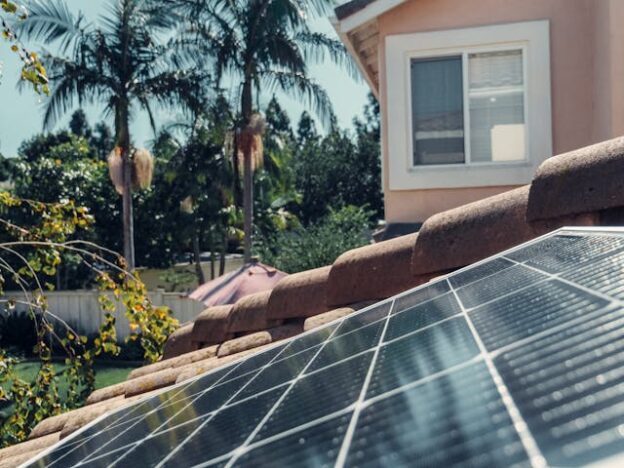
Research Finds Solar and Battery Systems Can Cut Costs and Keep Power On for Most US Households

A new Stanford University study suggests that most U.S. households could cut electricity costs and survive blackouts by installing rooftop solar panels paired with battery storage, primarily if they act before 31 December, when a key federal tax credit ends. The research, published in Nature Energy, found that 60% of American homes could reduce their electricity bills by an average of 15% with solar-battery systems. Additionally, around 63% could withstand power outages by meeting at least half their typical electricity needs, while either saving money or experiencing no increase in energy costs.

However, the households that stand to benefit least from solar-battery adoption—due to lower sunlight exposure, higher equipment costs, or unfavourable electricity rates—often overlap with those already struggling the most with high utility bills and frequent outages. These disparities highlight the uneven distribution of renewable energy benefits across different regions and income levels. The researchers emphasise that the reliability of power is becoming a growing concern, as extreme weather events, such as heatwaves and hurricanes, are increasing in both frequency and intensity, while much of the U.S. energy infrastructure remains outdated.

One urgent driver of adoption is the residential clean energy tax credit, introduced under the Inflation Reduction Act of 2022. It currently allows homeowners to deduct 30% of the cost of solar and battery installations from their federal taxes. This incentive will lapse at the end of 2025 for direct purchases, though indirect savings may still be available through leasing and power purchase agreements until 2027 for solar and 2033 for batteries. Without this credit, the share of households for whom solar-plus-storage remains financially viable drops from 60% to about 32%, according to the study’s lead author, Tao Sun.

At the same time, declining utility payments for excess solar power are reshaping the economics of battery ownership. In many states, customers are no longer compensated at full retail value for selling electricity back to the grid. As a result, storing power for personal use—especially at night when retail prices peak—has become a more innovative strategy for many households. States adopting these revised compensation structures tend to encourage battery adoption more effectively, though this also varies based on local solar potential and utility pricing.

The study also assessed the geographic variation in benefits across 48 states and Washington, D.C. It found that states with higher risks of blackouts or energy insecurity do not always align with those where solar-battery systems are the most cost-effective. In areas with more frequent outages or lower average income, fewer households can afford systems that offer meaningful backup power. These findings suggest the need for targeted subsidies or community-level energy initiatives to ensure equitable access to clean, resilient energy solutions.

Finally, the researchers caution that this landscape is rapidly changing. As solar and battery prices continue to fall and electricity costs rise, the economic case for these systems will likely grow stronger over time. They recommend further study of mobile or shared energy storage technologies that could supplement household-level systems and offer broader community resilience. Innovations like these, paired with carefully designed policies, could help ensure that the shift to solar benefits all Americans, not just the most financially advantaged.

More information: Tao Sun et al, Solar and battery can reduce energy costs and provide affordable outage backup for US households, Nature Energy. DOI: 10.1038/s41560-025-01821-w

Journal information: Nature Energy Provided by Stanford University

Innovative Tech Platform Strengthens Trust in Small Business Contracts

Researchers at North Carolina State University have introduced a digital tool designed to bring a greater level of security and trust to small-scale business transactions. At its core, this tool seeks to solve a widespread problem: how to ensure that service providers are paid fairly and that customers receive the services or goods they were promised. Unlike traditional approaches that rely heavily on legal action after the fact, this system takes a proactive stance, offering both parties a contract enforcement mechanism before money or services change hands. The tool draws its power from blockchain technology, using smart contracts to formalise agreements in a tamper-proof, automated way.

The inspiration for this development comes from the concept of letters of credit, a financial instrument typically used in international business deals between large companies. A letter of credit is a formal promise from a bank guaranteeing that the buyer will pay a seller, provided the terms of a contract are fulfilled. This system gives both parties confidence in the transaction, but it is expensive and not readily available to small businesses or individuals. As a result, smaller players often enter into contracts with a degree of uncertainty and vulnerability. The research team set out to create a more accessible version of this concept, one that could work on a smaller scale but provide similar assurances.

Brandon McConnell, associate research professor in NC State’s Edward P. Fitts Department of Industrial and Systems Engineering, explained that the tool is meant to empower ordinary people and small business owners alike. “Letters of credit provide a level of safety that would be immensely valuable in everyday transactions,” he said. “Think of a homeowner hiring a contractor. Right now, there’s no simple, accessible way to guarantee that the contractor will be paid if they do the job right, or that the homeowner will get what they paid for without resorting to court proceedings. Our goal was to offer a blockchain-based solution to that problem.” This proof of concept focuses on small transactions, specifically those that typically lack formal protections.

The system relies on smart contracts—digital protocols that execute automatically when predefined conditions are met. Each transaction is broken into components, with separate smart contracts governing the scope of work, milestones, proof of credentials, and payments. These elements are recorded on the blockchain, meaning that neither party can change the terms unilaterally. For example, a client would need to demonstrate that funds are available, and contractors might be required to prove licensure or insurance. Once the work is completed to the agreed standards, the smart contracts verify the fulfilment of conditions and automatically release payment. This offers a streamlined, enforceable way to ensure mutual accountability.

The researchers tested the tool in a variety of scenarios to confirm its reliability and adaptability. They also considered more complex cases where disputes might arise, such as when one party fails to meet expectations. In such cases, additional mechanisms—like arbitration clauses embedded within the smart contracts—can be used to resolve disagreements without turning to traditional litigation. Lieutenant Colonel Mat Fukuzawa, lead author on the studies and now a faculty member at the U.S. Military Academy at West Point, pointed out that current platforms like Angi and Frontdoor may connect clients with service providers, but they fail to enforce agreements. By contrast, the blockchain-based tool is designed with enforceability in mind.

Ultimately, the goal is to create a robust, low-cost alternative to court-based dispute resolution, making professional-grade contract security accessible to those who have historically lacked it. “Civil litigation and arbitration are often too expensive or cumbersome for small jobs,” Fukuzawa noted. “We believe our tool offers a practical and affordable way to protect both parties in a transaction, reducing the likelihood of conflict while ensuring fair outcomes.” The team is now seeking collaborators interested in further developing the technology for commercial use, with hopes that it can be integrated into platforms serving small businesses, freelancers, and consumers in need of secure but straightforward agreements.

More information: Mathew Fukuzawa et al, Implementing A Letter Of Credit Style Business Process For Small-Scale Contracting Using Smart Contracts, Transactions on Computer Science and Applications. DOI: 10.2139/ssrn.4776795

Journal information: Transactions on Computer Science and Applications Provided by North Carolina State University

New Study Reveals PTSD Costs UK Economy £40 Billion Annually

New research conducted by the University of Birmingham has revealed that post-traumatic stress disorder (PTSD) imposes a staggering financial burden on the UK economy, with average annual costs exceeding £14,780 per person. This figure, when multiplied by current prevalence rates, translates to a nationwide economic impact of approximately £40 billion each year. The study, funded by Supporting Wounded Veterans and The Veterans Foundation and published in BMJ Open, marks the first time such a comprehensive and current analysis of PTSD’s economic footprint in the UK has been undertaken.

PTSD is a severe anxiety disorder that can develop following the experience or witnessing of traumatic events. It affects individuals from all walks of life, with approximately 4% of the UK population—equating to around 2.6 million people—currently living with the condition. Over a lifetime, it is projected that over 6.6 million people in the UK will experience PTSD. Despite growing public awareness of mental health issues, PTSD remains widely misunderstood and misdiagnosed. Until now, its actual economic cost to society has been largely speculative and underestimated.

The Birmingham research team drew on data from multiple databases covering the period from 1990 to 2023, analysing both direct and indirect costs associated with PTSD. Direct costs include healthcare services such as hospital admissions, GP appointments, medication, and specialist treatments involving psychologists, psychiatrists, and counsellors. Indirect costs encompass broader social and economic factors, including unemployment, loss of productivity, homelessness, disability, unemployment benefits, home care, social services, and premature death.

Findings from the study estimate that the average annual direct cost for someone with PTSD is about £1,118, while indirect costs are significantly higher, reaching £13,663 per individual each year. Together, these costs amount to £14,781 per patient annually. When these per-person figures are scaled up to reflect the national prevalence of PTSD, the total cost reaches the £40 billion mark—a figure that challenges previous assumptions about the disorder’s economic toll.

Professor Paul Montgomery, one of the lead researchers and a professor of Social Intervention at the University of Birmingham, underscored the significance of these findings. He noted that while policymakers have long acknowledged the financial impact of poor mental health, this research provides a granular understanding of PTSD’s specific contribution to that burden. He emphasised the urgent need for better data collection and more effective treatments, arguing that such efforts must be prioritised if the UK is to address the growing cost of mental health disorders.

Fellow researcher Professor Siddhartha Bandyopadhyay added that even this comprehensive analysis likely underrepresents the full economic impact of PTSD. Stigma, discrimination, and co-occurring mental health conditions complicate the picture and contribute to unmeasured costs, such as reduced earning potential and increased reliance on public assistance. There may also be hidden expenses related to criminal justice, family breakdown, and educational support. As PTSD rates are expected to climb—particularly due to long-term effects of the COVID-19 pandemic, which may add tens of thousands of new cases annually—the researchers call for robust, evidence-based mental health interventions to prevent the economic toll from growing even larger.

More information: Paul Montgomery et al, Economic burden of PTSD in the UK: a systematic review and economic analysis, BMJ Open. DOI: 10.1136/bmjopen-2024-084394

Journal information: BMJ Open Provided by University of Birmingham