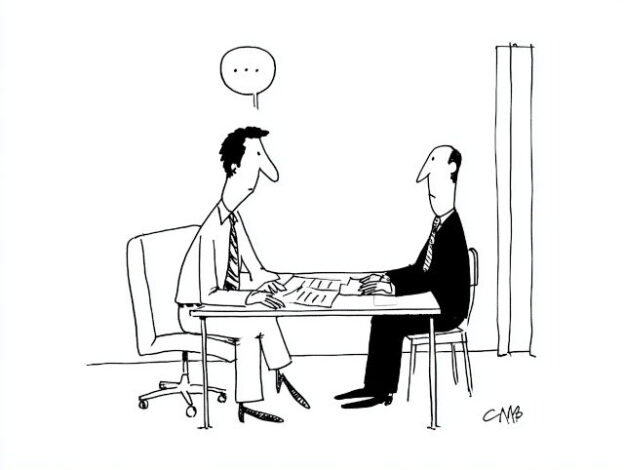
Making a good impression at work may depend less on polishing a résumé and more on strengthening communication skills. A large analysis of more than 200 studies found that workplace first impressions are shaped primarily by how people communicate, both verbally and nonverbally. At the same time, substantive information such as experience and qualifications plays a smaller role.
These impressions can form in less than a minute, yet their influence may last for weeks or even months. Researchers found that early perceptions can be associated with important workplace decisions and relationships, including hiring, performance evaluations, mentorship opportunities, promotions and whether colleagues want to work with or seek advice from someone.
The analysis identified three main factors that shape first impressions: communication style, physical appearance and “content cues”, meaning the substance of what a person says or writes. Surprisingly, content cues were the weakest predictors. “The single most shocking finding of this study is that content cues were the weakest predictors of first impressions,” said Brian Swider, Ph.D., a professor of business at the University of Florida and co-author of the study.
Swider explained that information contained in a résumé, comments from others and even the substance of what someone says during an initial interaction may have less influence than communication and appearance. Swider and colleagues at the University of Florida’s Warrington College of Business, along with T. Brad Harris of HEC Paris, published their findings on August 3 in Personnel Psychology.
The researchers combined 204 independent samples from 145 studies examining first impressions in workplace settings. By bringing together findings across different occupations, countries, education levels and research designs, the meta-analysis allowed the team to identify patterns that appeared consistently across a wide range of workplace situations rather than relying on a single experiment or setting.
The findings suggest that people generally form a broad positive or negative impression of another person instead of separately evaluating characteristics such as competence, warmth or trustworthiness. Once established, this overall impression may influence how later information about that individual is interpreted. “People want to think that they are making really high-level analytical decisions based on effectively evaluating evidence,” Swider said. Still, research on first impressions suggests that quick judgments continue to play an important role.
Those initial judgments can also be surprisingly durable. Although their influence gradually weakened over time, first impressions remained associated with how people viewed one another weeks later. According to Swider, an impression formed within the first few minutes of meeting someone can remain strongly related to how that person is perceived more than a month later. The findings linked first impressions with both achievement-related outcomes, including hiring and performance evaluations, and relationship-related outcomes in the workplace.
For employers, the findings highlight the difficulty of preventing subjective impressions from affecting important decisions. While organisations cannot stop people from forming rapid judgments, the researchers suggest their influence can be reduced through structured interviews and evaluations and by involving multiple people in decision-making. The study does not prove that first impressions directly cause later workplace outcomes, and their influence varies by situation and over time. For employees facing interviews, meeting a new manager or entering other high-stakes situations, however, Swider recommends focusing on controllable factors and making the strongest first impression possible.
More information: Junhui Yang et al, First Impressions at Work: A Meta-Analytic Review, Personnel Psychology. DOI: 10.1111/peps.70037
Journal information: Personnel Psychology Provided by University of Florida