Author Archives: support

Human or Machine? New Large-Scale Study Shows It All Depends on the Task

When shopping online, many of us now take for granted that the first “person” we interact with is not a human being at all. A chatbot answers our questions about delivery, a virtual assistant keeps us updated on our parcels, and an AI system calmly manages the process of returning items. This seamless reliance on digital service has become so routine that we may no longer question it. Yet one pressing question remains: does it really matter to us whether a person or a machine handles our customer service experience?

A sweeping new international meta-analysis suggests the answer is more complicated than conventional wisdom implies. Contrary to the widespread assumption that customers overwhelmingly prefer human representatives, artificial agents are often received more positively than expected. They are not necessarily viewed as superior to their human counterparts, but the gap between the two is much narrower than many would predict. This conclusion emerges from an impressive synthesis of 327 experimental studies involving nearly 282,000 participants, conducted by Professor Holger Roschk of Aalborg University Business School, in collaboration with Katja Gelbrich, Sandra Miederer, and Alina Kerath from the Catholic University of Eichstätt-Ingolstadt. Their findings were published in the Journal of Marketing.

One of the most striking insights is that AI agents may excel in circumstances where human interaction feels awkward or uncomfortable. When shopping for health-related or intimate products, for instance, many customers prefer the discretion of a digital interface to the potential embarrassment of speaking face-to-face with a person. Similarly, artificial agents can be especially effective in situations where they must deliver unwelcome news. Roschk notes that when an algorithm rejects a loan application, customers may find the machine’s unemotional, “insensitive” manner less distressing than a human’s rejection, which might feel more personal.

The researchers emphasise that context plays a decisive role. AI systems are not universally better or worse than people; their effectiveness depends on the nature of the task at hand. Algorithms, for example, excel at logistical challenges such as calculating routes, estimating waiting times, or recommending clothing sizes based on previous purchases. Robots with physical capabilities, meanwhile, have a clear edge in roles that require motor skills and repetitive labour, such as hotel room service or warehouse operations. In these areas, the efficiency of machines can surpass human performance, while freeing employees to focus on responsibilities that require creativity or empathy.

At the same time, the limits of artificial agents are stark. Technology cannot yet replicate the spontaneity, warmth, or nuanced situational awareness that humans bring to many service encounters. In scenarios where emotional intelligence and genuine empathy are indispensable—such as healthcare consultations, sensitive complaints, or complex negotiations—human representatives remain irreplaceable. Roschk stresses that the goal is not to supplant people with technology but to deploy machines strategically, in areas where they provide relief from repetitive or emotionally taxing tasks.

This nuanced perspective marks a significant shift in the broader discussion about AI in everyday life. Instead of asking whether customers prefer humans or machines, the research invites us to think more carefully about when and why different agents are appropriate. If organisations can identify contexts where AI adds value without undermining the human touch, they may not only improve efficiency but also enhance customer satisfaction. As Roschk concludes, the debate is not about replacing people, but about recognising where machines can best complement human service—and where the uniquely human qualities of empathy, care, and intuition must remain firmly in place.

More information: Holger Roschk et al, Automated Versus Human Agents: A Meta-Analysis of Customer Responses to Robots, Chatbots, and Algorithms and Their Contingencies, Journal of Marketing. DOI: 10.1177/00222429251344139

Journal information: Journal of Marketing Provided by Aalborg University

Understanding outweighs solution-making

Albert Einstein once observed that if he had only an hour to tackle a daunting problem, he would spend fifty-five minutes striving to understand it and just five minutes on devising a solution. This conviction reflects his belief that the real difficulty of problem-solving does not lie in producing answers but in first discerning the true nature of the challenge. His insight has continued to resonate across disciplines, and it has recently received new empirical support in research conducted through a large-scale mobile phone experiment led by economists at the University of Miami, the Patti and Allan Herbert Business School, and HEC Paris.

At the heart of this work is Alex Horenstein, associate professor in the Department of Economics and associate dean of undergraduate business studies at Miami Herbert, who joined forces with Konrad Grabiszewski of HEC Paris. Together, they designed Blues and Reds, a mobile strategy game that cleverly doubled as a behavioural experiment. By embedding decision-making scenarios within the framework of a smartphone game, the two researchers were able to collect data from over 7,000 participants spread across more than 100 countries. Their findings were published in Games and Economic Behavior, a respected journal devoted to game theory and its practical applications.

The experiment revealed that people often fail not because they cannot solve problems, but because they misunderstand the very issues they are asked to solve. Horenstein explained this through a simple analogy: if someone wants to travel from Point A to Point B and calculates the shortest route without noticing that one of the streets is one-way, the solution is rendered useless. The individual may have solved the wrong problem with logical precision, but the oversight of a key detail—the one-way restriction—led to the bad outcome. This example captures the central lesson: accurate understanding is the indispensable first step in successful problem-solving.

The origins of Blues and Reds can be traced back to a 2015 Metrorail ride Horenstein and Grabiszewski shared in Miami. Observing their fellow passengers absorbed in mobile phones, the economists wondered whether the devices could serve as more than distractions. If people were already immersed in these digital spaces, why not create an experiment that harnessed this engagement? That insight gave rise to the idea of running a behavioural study directly within a mobile game, eliminating the constraints of laboratory research and reaching participants in their natural environments.

In practice, Blues and Reds presented players with strategic problems in two distinct formats. One version laid out the entire decision tree, showing every possible move and outcome, making the structure of the problem transparent. The other version withheld this map, forcing participants to piece together the links between choices and consequences on their own. This second mode demanded greater cognitive effort, as players had to reconstruct the underlying problem before attempting to solve it. The contrast between the two versions offered compelling evidence of how deeply understanding a problem’s structure influences the quality of the solution.

Although the app has since been retired after completing its data-gathering phase, its legacy remains significant. It demonstrated not only that misunderstanding a problem is often the root cause of failure but also that mobile platforms can serve as powerful tools for conducting large-scale behavioural experiments. By reaching thousands of individuals across diverse cultures and contexts, Blues and Reds confirmed Einstein’s intuition in a modern setting: solving problems effectively begins not with answers, but with a careful and thoughtful comprehension of the questions themselves.

More information: Konrad Grabiszewski et al, Understanding dynamic interactions, Games and Economic Behavior. DOI: 10.1016/j.geb.2024.10.010

Journal information: Games and Economic Behavior Provided by University of Miami

Radical leadership rarely unfolds as envisioned, says ESMT Berlin

Steve Jobs was famous for berating his teams, while Jack Welch became notorious for slashing a quarter of his workforce. Despite these harsh tactics, both men are still revered as visionary leaders and continue to serve as role models in the corporate world. A new study examines the logic behind such radical leadership, probing the circumstances under which it succeeds and highlighting the risks it often entails. Its conclusions suggest that disruptive strategies can indeed spark transformation, but they are far from universally effective and frequently do more harm than good.

The research, titled Annealing as an Alternative Mechanism for Management, was authored by Matthew S. Bothner, Professor of Strategy and holder of the Deutsche Telekom Chair in Leadership and HR Development at ESMT Berlin. He worked in collaboration with Richard Haynes of the US Commodity Futures Trading Commission, Ingo Marquart of statworx, and Hai Anh Vu of Ho Chi Minh University of Banking. The article appears in the latest issue of Connections, a peer-reviewed journal of the International Network for Social Network Analysis, giving the study both academic rigour and international reach.

At its heart, the paper explores a rarely discussed leadership approach known as “annealing”. Borrowed from metallurgy, the concept refers to heating and then carefully cooling materials to reshape their internal structure. Translated into the field of management, it describes a deliberate effort to disrupt organisational routines, thereby loosening rigid systems and encouraging new ways of thinking. The aim is to help companies become more adaptive and better positioned to navigate shifting environments.

Yet the process is highly delicate and requires precise orchestration. Leaders first create a “heating” phase, deliberately stirring unrest by challenging entrenched routines and destabilising familiar patterns. This disruption exposes fresh opportunities and alternative strategies. Crucially, however, the subsequent “cooling” phase determines whether the organisation benefits or unravels. In this stage, uncertainty must be resolved, stress reduced, and new structures solidified. Without it, the initial disruption risks leaving the organisation fractured and exhausted.

The study identifies three key conditions for successful annealing. First, leaders must already hold secure authority and broad support within their organisations. Second, teams must possess enough emotional resilience to withstand turbulence. Third, the process demands time, resources, and scope for experimentation, and it works best when external uncertainty provides a clear justification for disruption. If any of these requirements are missing, the attempt at annealing is unlikely to succeed and may even irreparably destabilise the organisation.

Ultimately, the researchers emphasise the pivotal role of communication. A leader must not only generate uncertainty but also offer a convincing and hopeful vision of the future. Without that promise, disruption produces confusion rather than progress. Their conclusion is stark: while annealing can be a powerful force for renewal under the right conditions, it is not a universal formula. As Bothner remarks, “If supporting conditions are not in place, annealing will likely do more harm than good.” This makes radical leadership less a recipe for success and more a high-stakes gamble, demanding both skill and restraint.

More information: Matthew S. Bothner et al, Annealing as an Alternative Mechanism for Management, Connections. DOI: 10.21307/connections-2019.062

Journal information: Connections Provided by ESMT Berlin

Why Some U.S. Cities Prosper While Others Falter: New Study Reveals the Law of Urban Economic Coherence

A new study from the Complexity Science Hub (CSH) has uncovered a strikingly consistent pattern in the economic development of U.S. cities, one that has held firm over 170 years of history. The researchers, Simone Daniotti, Matte Hartog, and Frank Neffke, drew upon an extraordinary dataset of 650 million U.S. census records, 6 million patents, and a wealth of other historical sources spanning nearly two centuries. Their findings reveal that while cities evolve and diversify over time—shifting from craftsmanship and manufacturing to services and engineering—they nonetheless maintain a surprisingly constant level of what the study terms “coherence.” This concept describes how well a city’s economic activities fit together, and the researchers found it to be a stable feature of urban transformation.

This trend is not confined to older, established cities. The same regularity was observed on the West Coast, which developed later and initially grew in relative isolation from the rest of the country. In 1850, cities such as San Francisco and Los Angeles were emerging during the Gold Rush, far behind their eastern counterparts in terms of occupational diversity. At that time, fewer than half of the export-oriented occupations present across the United States were represented on the West Coast. Yet within fifty years, that share rose to nearly 90 per cent, reflecting a dramatic and rapid diversification. Despite the pace and scale of these changes, the coherence of West Coast cities remained stable and comparable to that of the older cities on the East Coast.

The researchers argue that this persistence indicates a fundamental constraint on how cities can transform. Cities may abandon industries of the past and develop entirely new ones, but they do so in a way that preserves their overall coherence. This finding sheds light on the experiences of places such as Pittsburgh and Boston, which endured long periods of decline before re-emerging with renewed vitality. In both cases, the transition away from heavy manufacturing toward high-tech industries and services required a gradual reshaping of the local economy. The lesson is that cities cannot simply leap from one economic identity to another; they must follow pathways that maintain a balance in their industrial structure.

The study also highlights how coherence interacts with city size. Larger cities consistently exhibit lower levels of coherence, with researchers identifying a steady decline of around 4% for every doubling of population size. This pattern has remained essentially unchanged despite profound shifts in technology and society, from the advent of railroads and telephones to the emergence of computers and artificial intelligence. The U.S. population has grown from 23 million in 1850 to 332 million in 2022, spreading steadily westward; yet, the relationship between size and coherence has remained remarkably constant. The implication is that larger populations allow for greater diversity, but they also naturally reduce the coherence of economic activity.

These insights carry significant implications for urban policy. While many cities aspire to expand into emerging technologies and diversify their economies, the study suggests that structural limits must temper such ambitions. A city’s existing base of skills, infrastructure, and institutions is costly to maintain, and excessive diversification can undermine its coherence. Policymakers must therefore strike a balance: smaller cities, in particular, must remain compact in their economic capabilities, while larger cities have more room to spread out across multiple industries. Ultimately, the degree of diversity a city can sustain is closely tied to its size, and realistic ambitions must be benchmarked against those of peer cities.

Underlying this research is a new understanding of coherence as the glue that holds a city’s economy together. It reflects the similarity of occupations, industries, or technologies within the same urban system. It is shaped by three factors: the variety of activities present, the distribution of those activities across the workforce, and the degree of difference between them. A highly coherent city concentrates on a narrower set of closely related industries, such as Detroit during its heyday in the automotive industry. In contrast, a less cohesive city spans many disparate sectors, as in New York. By revealing how coherence remains constant even amid significant transformation, the study opens the door to rethinking how cities grow, diversify, and adapt over the long term.

More information: Simone Daniotti et al, The coherence of US cities, Proceedings of the National Academy of Sciences. DOI: 10.1073/pnas.2501504122

Journal information: Proceedings of the National Academy of Sciences Provided by Complexity Science Hub

Fraud detection drives loyalty: institutions that protect victims keep more customers than banks untouched by fraud

Financial institutions face a relentless battle against fraudsters who drain money from customer accounts. Banks collectively spend millions each year trying to identify the culprits and prevent customers from walking away. Yet, in most cases, it is nearly impossible to pinpoint who carried out the fraud. This raises a critical question: should banks continue pouring resources into investigations that rarely end in accountability? According to Vamsi Kanuri, the Viola D. Hank Associate Professor of Marketing at the University of Notre Dame’s Mendoza College of Business, the answer is yes. His new study reveals that when a bank cannot determine the responsible party for a customer’s fraudulent activity, trust evaporates, accounts are closed, and customers leave.

Kanuri’s research, published in the forthcoming issue of Production and Operations Management, analysed data from a major U.S. bank covering 422,953 customers across five years. The findings show that when banks fail to provide answers, fraud victims are 40 per cent more likely to leave than customers who were never defrauded. However, the reverse is true when fraudsters are identified. Surprisingly, the study found that when the bank successfully caught the perpetrator, customers became not only more loyal but also 62 per cent less likely to defect than those who never experienced fraud in the first place.

This counterintuitive result reflects what Kanuri calls the “service recovery paradox”: effective resolution of an adverse event can actually enhance loyalty more than if the problem had never occurred. “Intuitively, we might expect fraud to damage the relationship between customers and their bank, even when resolved,” Kanuri explained. “Fraud is a violation of trust. Yet our data show the opposite when blame is correctly attributed. Customers not only stay, they display higher loyalty.” This demonstrates how transparency and accountability after fraud can transform an apparent failure into an opportunity to build stronger ties.

The study also sheds light on how increasingly sophisticated scams challenge banks. Phishing attacks now mimic bank communications with alarming precision, leading users to fake login portals designed to steal credentials. Fraudsters exploit advanced techniques such as SIM-jacking to bypass two-factor authentication and geo-spoofing to mask their actual location. In such an environment, a bank that misses culprits risks being seen as unreliable, an impression that lingers even if it fades over time. Conversely, a bank that successfully resolves fraud earns a lasting reputation for competence and security.

Not all customers react in the same way, however. The data revealed that newer customers with shorter relationships and fewer interactions are far more likely to leave when a fraudster is not caught, as they lack a foundation of trust. Long-standing clients, or those who engage frequently with their bank, tend to be more forgiving. Yet, strikingly, when fraudsters are identified, these differences all but disappear. The reassurance of accountability restores trust across the board, regardless of tenure or level of engagement.

The broader implications of these findings support policy reforms proposed by the U.S. Treasury Department, which seeks greater transparency in automated clearing house transactions and stricter reporting requirements for money-transfer apps. Such measures would improve banks’ ability to trace and attribute fraud, ultimately reducing customer churn. For Kanuri, the key insight is that the true payoff of fraud investigations is not found in recovering stolen funds but in preserving — and even strengthening — customer loyalty. By focusing on how fraud is resolved rather than whether money is recouped, banks can transform costly investigations into a long-term investment in trust.

More information: Sriram Somanchi et al, Mitigating Churn After Online Financial Fraud: The Value of Blame Attribution, Production and Operations Management. DOI: 10.1177/10591478251331125

Journal information: Production and Operations Management Provided by University of Notre Dame

Tracing sustainability: Economic and social forces behind carbon emissions in West Java

A pioneering research initiative is shedding new light on the relationship between human activity and environmental change in West Java, Indonesia. Bringing together economic, social, and environmental perspectives, the study—“Assessing Economic and Social Determinants of Carbon Emissions Towards Sustainable Development in West Java, Indonesia”—is led by Professor Robert Kurniawan of the Department of Statistical Computing at Polytechnic Statistics STIS and the Department of Population and Environmental Education at the State University of Jakarta. By interrogating the underlying causes of carbon emissions, the research offers a nuanced understanding of how development trajectories can be better aligned with sustainability goals.

Addressing climate change requires more than technological innovation; it calls for an appreciation of the social and economic structures that generate emissions in the first place. Professor Kurniawan and his team approach this challenge by applying a multifaceted lens to the drivers of carbon emissions in West Java. Their analysis illustrates how patterns of industrialisation, shifts in population dynamics, and broader economic growth intersect with environmental degradation. This work underscores the complexity of sustainable development: policies cannot be isolated to one sphere, but must be integrated across economic, social, and environmental domains.

What distinguishes this research is its methodological rigour. Employing panel data regression, the team can track long-term trends and disentangle the relative influence of different variables on carbon emissions. This statistical approach not only quantifies the relationship between human activity and environmental impact but also reveals dynamics that might otherwise remain obscured. By drawing upon a robust dataset, the study provides evidence-based insights that can guide more effective interventions, ensuring that economic prosperity does not come at the expense of ecological stability.

The findings of the study point towards several critical insights. Economic and social factors such as industrial activity, population density, and energy consumption emerge as significant determinants of CO₂ emissions in West Java. The application of advanced statistical modelling strengthens the reliability of these results, offering policymakers robust tools for decision-making. The policy implications are clear: measures to reduce emissions must be integrated into economic planning and social policy, rather than treated as separate or secondary objectives. In doing so, the research lays the groundwork for practical strategies that reconcile growth with sustainability.

At its heart, this study demonstrates the indispensable role of data-driven inquiry in the pursuit of sustainability. By revealing the intricate links between economic development, social change, and carbon emissions, Professor Kurniawan’s work contributes meaningfully to the global discourse on climate action. The research reminds us that sustainable development is not merely a matter of curbing emissions but of rethinking the foundations of growth and governance. In providing this evidence-based roadmap, the study reinforces the possibility of a future where economic vitality and environmental stewardship move forward hand in hand.

More information: Robert Kurniawan et al, Assessing economic and social determinants of carbon emissions towards sustainable development in West Java, Indonesia, Carbon Research. DOI: 10.1007/s44246-025-00200-0

Journal information: Carbon Research Provided by Biochar Editorial Office, Shenyang Agricultural University

AI System Boosts Robot Teamwork to Improve Factory Efficiency

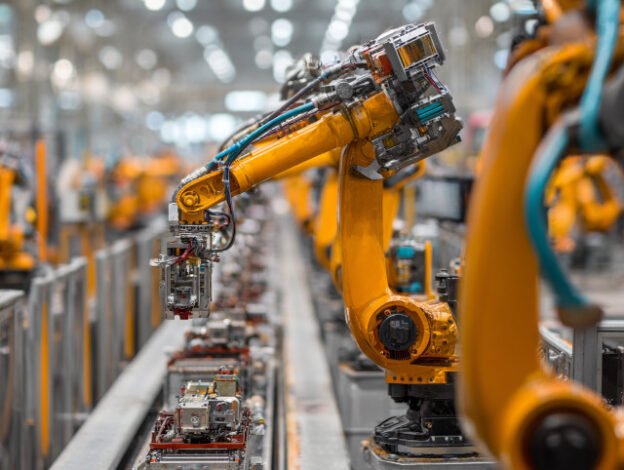
Autonomous robotics is widely seen as a force that could fundamentally reshape the future of manufacturing. The promise lies in systems that are not only faster but also more adaptable and customisable than today’s traditional assembly lines. However, the vision of factories populated by fleets of mobile, intelligent robots brings with it a formidable challenge: how to coordinate the movements of large numbers of machines in the same space, while also ensuring they can collaborate smoothly both with one another and with human workers. This challenge sits at the heart of cutting-edge robotics research.

At Stanford University, a team of researchers has developed an algorithm designed to tackle precisely this problem. The system is capable of analysing a product’s design plan and generating the most efficient way to manufacture it using a team of robots. Their findings, recently published in the journal Robotics and Autonomous Systems, demonstrate the algorithm’s ability to plan subassemblies, such as building a car door before attaching it to the main body, and to orchestrate how robots work either independently or in groups. It even determines the most effective factory layout to prevent accidents and avoid bottlenecks.

Mac Schwager, an associate professor of aeronautics and astronautics at Stanford and co-author of the study, described the innovation as unusually broad in scope. “There has been research into some of these individual pieces,” he explained, “but I think we’re the first to really think about how it all fits together into a large-scale system.” In essence, the work shifts the focus away from solving isolated problems and towards integrating multiple challenges into a cohesive, large-scale solution that mirrors the realities of industrial production.

One of the most compelling aspects of this research is its potential to enable modular manufacturing. Current automated assembly lines excel at producing a single item with high efficiency, but they are rigid and difficult to reconfigure. By contrast, a system built on general-purpose robots distributed across flexible workstations could allow factories to adapt far more easily. Whether pivoting to a new product line or offering customised goods, such factories would not need to dismantle and rebuild their entire production infrastructure to accommodate change.

This point was emphasised by Dylan Asmar, a PhD student in Stanford’s Intelligent Systems Laboratory and co-author of the study. “Right now, if you want to change your construction pipeline to something different, it requires a lot of planning and work to tear it down and set it back up,” he noted. “With a more modular approach like this, changing your pipeline would be a lot easier and more streamlined.” The vision here is of a system in which flexibility is not an afterthought but a defining feature, enabling rapid responses to market demands.

The Stanford algorithm achieves this by blending detailed information about both the robots and the product to be built. Researchers input specifications such as the number of robots, their carrying capacity, and the schematic of the desired product. The system then determines how to divide tasks into subassemblies, coordinate multiple robots for larger components, and arrange simultaneous operations to save time. “Our objective is to go from raw material to the finished product as quickly as possible, and the way you do that is through parallelisation,” said Mykel Kochenderfer, a senior author of the study. “It’s not a linear sequence – we try to do operations in parallel as frequently as possible.”

To illustrate its capabilities, the researchers tested the algorithm on a toy model of a Saturn V rocket, consisting of 1,845 parts organised into 306 subassemblies. The system, working with a virtual team of 250 robots, generated a complete assembly plan in under three minutes. This included not only the order of operations but also the layout of assembly stations, the assignment of transport tasks, and the routing of robots to avoid interference with one another. The speed and thoroughness of this planning illustrate the algorithm’s potential for tackling real-world industrial complexity.

While the approach is promising, the researchers are cautious in noting that significant challenges remain before such systems can be applied in commercial manufacturing. To support further development, Kyle Brown, the paper’s lead author, created an open-source simulator that allows researchers to test and refine algorithms. The platform can be used both as a research tool and an educational one, as Brown demonstrated by running a classroom activity where children raced against robots in constructing a model aeroplane. “The kids were elated at their narrow victory,” Brown said, “and I got to teach them a little bit about robots.” It may be some time before factories adopt such systems, but the work signals a significant step toward the next revolution in manufacturing.

More information: Kyle Brown et al, Large-scale multi-robot assembly planning for autonomous manufacturing, Robotics and Autonomous Systems. DOI: 10.1016/j.robot.2025.105179

Journal information: Robotics and Autonomous Systems Provided by Stanford University

Participation in English-language science journals is limited by gender, language, and income disparities

Women, non-native English speakers, and scientists from lower-income countries are publishing significantly fewer English-language peer-reviewed articles than men, native English speakers, and researchers based in higher-income countries, according to a study released on 18 September in PLOS Biology. The work, led by Tatsuya Amano of The University of Queensland, Australia, highlights systemic barriers that continue to limit equitable participation in global science.

UNESCO maintains that “all scientists … have equal opportunity to access, contribute to and benefit from science, regardless of origin or circumstance.” Yet research consistently points to persistent inequities. Women remain less likely to hold tenured academic positions, researchers in lower-income countries receive disproportionately less funding than their wealthier peers, and non-native English speakers are reported to face language-based rejection rates as much as 2.6 times higher than native speakers. While scientific progress is enriched by diversity in people and perspectives, surprisingly few studies have directly examined the combined impact of gender, language, and income on scholarly output.

To address this gap, Amano and colleagues surveyed 908 environmental scientists spanning multiple career stages and nationalities, including Bangladeshi, Bolivian, British, Japanese, Nepali, Nigerian, Spanish, and Ukrainian researchers. They measured scientific productivity as the total number of English and non-English publications produced by each participant, allowing for a more nuanced picture of output across linguistic and economic contexts.

The findings reveal stark disparities. Women—especially at early-career stages—published 45% fewer English-language papers than men. The disadvantage deepened among women whose first language was not English, who published 60% fewer papers. Strikingly, women from low-income countries with non-English first languages produced 70% fewer English-language publications than men from high-income countries whose first language was English.

However, when non-English-language publications were also included, the picture shifted. Non-native English speakers at early to mid-career stages actually published more peer-reviewed articles overall than native English speakers. Likewise, researchers based in lower-income countries outperformed those in higher-income countries in terms of total publication count. Even so, women consistently lagged behind men in combined outputs, underscoring the persistence of gendered inequities.

The authors caution that such statistics, if narrowly interpreted, could reinforce misconceptions that women, non-native English speakers, and scientists from lower-income regions are inherently less productive. Instead, they argue for more inclusive approaches to research assessment—ones that explicitly account for gender, income level, and language background, while also recognising the scholarly value of non-English publications.

As Amano and colleagues conclude, “This study highlights how language, economic status, and gender combine to create a significant and often overlooked productivity gap in science, especially when measured by English-language publications. We believe that this gap is not a true reflection of individual productivity. Rather, as a growing body of evidence shows, it stems from systemic barriers that continue to limit fair participation and full contribution to science by historically and currently underrepresented groups.”

More information: Tatsuya Amano et al, Language, economic and gender disparities widen the scientific productivity gap, PLOS Biology. DOI: 10.1371/journal.pbio.3003372

Journal information: PLOS Biology Provided by PLOS

How Plant-Based Proteins Took Over Sweden’s Grocery Shelves

Two decades ago, vegetarian choices in Sweden’s supermarkets were scarce, with only a few token products available for shoppers seeking meat alternatives. Today, however, the landscape looks entirely different. Customers now encounter a wide range of plant-based foods, from vegetarian sausages and fillets to the increasingly popular veggie balls, a direct reinterpretation of the country’s iconic meatballs. This transformation has been driven not by government policy, which has remained hesitant at best, but by the combined efforts of businesses, consumers, and civil society. According to a new study from Uppsala University, this coalition of actors has successfully expanded the presence of plant-based products in everyday retail spaces, showing that meaningful change can emerge even in the absence of strong political leadership.

The researchers highlight that this shift was not a random development but rather a carefully cultivated process that capitalised on what they term “pragmatic legitimacy.” In simple terms, meat alternatives gained acceptance because they were convenient, affordable, and profitable. For consumers, they offered familiar textures and flavours without requiring a steep learning curve in the kitchen, while producers could rely on them as a commercially viable venture. This explains why the majority of innovations have centred on products designed to replicate meat, such as veggie burgers or plant-based fillets, rather than encouraging consumers to prepare entirely different meals like lentil stews or chickpea casseroles. While this emphasis has brought plant-based eating into the mainstream, it has also limited the scope of change, focusing on mimicry rather than a broader dietary transformation.

The study draws on interviews with forty-one individuals involved in Sweden’s plant-based food sector, including entrepreneurs, chefs, researchers, farmers, and policymakers, supplemented with newspaper coverage, reports, and scientific literature. From this evidence, the authors identify four pivotal turning points. In 2006, the release of the UN’s Livestock’s Long Shadow, alongside Al Gore’s documentary An Inconvenient Truth and the Stern Review, spotlighted the environmental costs of meat production and climate inaction. In 2012, the Swedish National Food Agency began weaving sustainability into its nutritional guidelines, explicitly advising limits on red meat. By 2015, the launch of Oumph! – a meat-like plant-based product – and the Macklean consultancy’s “protein shift” report captured the imagination of both investors and the public, embedding the term proteinskifte into the national conversation. The final turning point came in 2016, when the government introduced the Swedish Food Strategy, unlocking research funding and policy focus on domestic food production, including plant-based innovation.

These moments also reveal how cultural and political signals inspired concrete action among businesses. For instance, a hamburger chain representative cited An Inconvenient Truth as the spark that intensified their sustainability agenda. At the same time, a traditional meat company turned its attention towards vegetarian options after the Macklean report made the protein shift a pressing industry theme. Such examples demonstrate that even well-established firms could be swayed to experiment with alternatives when broader discourses, whether scientific, cultural, or economic, highlighted the urgency of change. This interplay of external influences and corporate responses underscores how fragmented but consistent signals can shape an industry’s trajectory.

Yet, the research makes clear that progress has been uneven and, arguably, slower than necessary. While Sweden now enjoys a vibrant range of meat substitutes, the emphasis on convenience foods that mimic meat has sidelined other potentially healthier and more environmentally efficient approaches, such as promoting legumes and home-cooked vegetarian dishes. Moreover, the absence of strong political direction has left the pace and focus of change primarily in the hands of businesses, whose goals naturally align with profitability. The authors argue that without firmer policy frameworks, there is a risk that plant-based innovation will remain confined to a narrow set of market-driven solutions, rather than enabling a broader shift in eating habits.

The study concludes with a call for more proactive government intervention. Policy, the authors contend, could serve as both accelerator and guide for future developments. This might include updated dietary guidelines that more explicitly support plant-based diets, targeted research funding to improve nutritional quality, or fiscal measures such as taxes on meat and subsidies for sustainable alternatives. By pairing the dynamism of businesses and consumers with robust policy support, Sweden – and indeed other countries – could move beyond imitation meat products and foster a more diverse, nutritious, and sustainable food culture. In essence, the Swedish case demonstrates both the possibilities and the limitations of relying on non-political forces for systemic dietary change, offering valuable lessons for how the next stage of the protein transition might be shaped.

More information: Helena Fornstedt et al, How configurations of legitimacy shape directionality in technological innovation systems: The case of plant-based meat alternatives in Sweden, Technological Forecasting and Social Change. DOI: 10.1016/j.techfore.2025.124283

Journal information: Technological Forecasting and Social Change Provided by Uppsala University

Flourishing teams fuel success

James Ritchie-Dunham, a clinical associate professor of strategy at Texas McCombs, has long been intrigued by the question of why some work teams appear happier and more productive than others. His research suggests that the key lies not in intelligence or innate ability, but in the deliberate choices teams make about how they interact. In flourishing groups, members consciously agree to engage in ways that promote well-being for themselves and others. This dynamic, he argues, helps explain why specific teams can achieve results that might seem impossible under traditional models of performance.

As co-lead of the Leadership for Flourishing project, Ritchie-Dunham is helping to spearhead one of the most ambitious studies on workplace well-being ever undertaken. The project spans 59 countries and dovetails with the Global Flourishing Study, a five-year interdisciplinary initiative surveying more than 200,000 people across 22 countries and one territory on six continents. With Nature Portfolio having already published numerous papers on the first wave of data, the study is now in its third phase, providing an unprecedented wealth of information on how individuals experience meaning, health, purpose, and productivity in their professional and personal lives.

Central to this work is the concept of human flourishing, which Ritchie-Dunham defines as encompassing good mental and physical health, strong social relationships, a sense of purpose, financial and material stability, moral character, and, in some cases, spiritual beliefs. These dimensions of well-being are not confined to personal life but carry over into professional environments. When employees feel that they are making meaningful contributions—ones that align with their own skills and passions—they are more likely to thrive. High-performing teams, though relatively rare, exemplify this pattern, standing out as positive outliers in global datasets.

What distinguishes these flourishing teams is not superior intellect or resources, but the agreements that shape their working relationships. Rather than focusing solely on outcomes, they ask a simple but profound question: “Are we all better off for having interacted?” This ethos forms the foundation of their collaboration. Team members take responsibility for their own work, respect one another’s ideas, and provide mutual support. These practices, Ritchie-Dunham emphasises, are not confined to small groups but can ripple outward, benefiting customers, communities, investors, and other stakeholders through what he calls “ecosystem-wide flourishing.”

Examples of such practices can be seen in organisations like a microfinance company that has been studied for over five years. This firm, which provides microloans to small businesses, demonstrated unusually high levels of flourishing among both employees and clients when compared to global averages. Its leaders granted staff the autonomy to manage their work, while simultaneously fostering strong interpersonal relationships. The data showed a clear correlation between this well-being-oriented approach and significant gains in productivity, which in turn translated into stronger financial outcomes. This suggests that investing in people’s flourishing is not only ethically sound but also strategically advantageous.

For managers seeking to apply these insights, Ritchie-Dunham highlights three practical lessons: respect, curiosity, and agility. Respect means trusting employees to do the work they were hired to do, while providing support rather than micromanagement. Curiosity encourages leaders to view new ideas not as disruptions but as opportunities for growth. Agility involves experimenting with changes and adapting based on results, creating space for innovation without fear of failure. Taken together, these practices foster trust, expand purpose, and open the door to greater flourishing across teams and organisations. In Ritchie-Dunham’s view, the path to productivity begins with the simple but radical act of enabling people to thrive.

More information: James Ritchie-Dunham et al, The Global Flourishing Study: Study Profile and Initial Results on Flourishing, Nature Mental Health. DOI: 10.1038/s44220-025-00423-5

Journal information: Nature Mental Health Provided by University of Texas at Austin

High-status producers can reinvent artists’ images, while mid-status producers merely follow trends

In cultural industries where producers shape the creative process, status determines how much freedom they have to reinvent their artists. High-status producers command the resources and audience support needed to take bold risks with their artists’ images. In contrast, mid-status producers are more inclined to adapt to prevailing market trends. A new study published in the Strategic Management Journal explores this dynamic in the Korean pop music industry, or K-pop, revealing how the standing of entertainment agencies affects the ways idol groups shift their concepts, with gender further constraining these changes.

The research, conducted by Heeyon Kim of Cornell University, Yoonjeoung Heo of Xi’an Jiaotong-Liverpool University, and Chi-Nien Chung of Hong Kong Polytechnic University, builds on earlier studies of category shifts in creative markets. Previous work emphasised the limitations artists face when moving between categories. Still, this team considered how shifting identities over time can create multifaceted profiles that ultimately strengthen an artist’s appeal and adaptability. By reframing identity shifts as potential advantages, they brought new insight into how status interacts with long-term creative strategy.

The authors advanced three hypotheses about status and identity change. First, they suggested that mid-status actors are especially motivated to follow dominant trends, hoping that conformity will win them greater visibility and audience acceptance. Second, they argued that high-status actors, while more cautious initially, are freer to experiment over time and more likely to pursue radical shifts that build multifaceted identities. Finally, they recognised that these patterns are not shaped by status alone but are also constrained by broader societal norms, especially those tied to gender, which can narrow the range of acceptable shifts.

To test these ideas, the researchers analysed the K-pop industry, where entertainment agencies exercise substantial control over idol groups’ concepts and images. They created a typology of possible K-pop “concepts” and ranked agencies by high, middle, or low status based on industry awards. Then they examined 680 songs by 122 idol groups from 76 agencies between 2004 and 2016. Each music video was coded for its concept, allowing the team to measure how often groups shifted categories and how these shifts aligned with agency status.

The findings supported all three hypotheses. Idol groups from mid-status agencies most frequently followed the dominant market trends, relying on conformity to capture attention. Groups from high-status agencies, meanwhile, pursued fewer shifts in the short term, focusing instead on establishing distinct identities. Yet when they did alter course, they tended to make the most radical moves, supported by loyal fan bases that allowed experimentation without fear of losing core support. As Kim noted, high-status agencies act as trendsetters, while mid-status agencies are more often followers seeking visibility.

However, the study also showed that gender norms limit these dynamics. The effects of status were most substantial for male idol groups, while female groups were more constrained by societal expectations, regardless of their agency’s standing. In sum, the research demonstrates that higher status grants producers and artists both resources and resilience to pursue multifaceted identities. For managers, recognising their status position is crucial: mid-status actors may need to consolidate their audience by following trends, whereas high-status actors have the privilege to experiment and shape new directions in the creative market.

More information: Heeyon Kim et al, Changing tracks: How status affects category shifts in the Korean popular music industry, Strategic Management Journal. DOI: 10.1002/smj.3739

Journal information: Strategic Management Journal Provided by Strategic Management Society

Illusions of insight: When having some knowledge blinds us worse than none

Chess is often celebrated as the archetypal strategic game because of its temporal complexity: the real value of a move may remain hidden until many turns later, when the consequences finally emerge. Organisations face a comparable challenge. Strategic and managerial decisions rarely deliver instant results; instead, their outcomes unfold gradually, sometimes over years. This delay between action and consequence creates environments in which the wisdom of a choice is uncertain. Leaders, therefore, draw upon both their internal experience and external sources of information to navigate these challenges. Yet, existing behavioural models of learning have only lightly touched upon how individuals and organisations grapple with such complicated, temporally complex problems.

An international team of scholars has broken new ground on this issue. Professor Ji-hyun Kim of Yonsei University in South Korea, Professor Christina Fang of NYU Stern in the United States, and Assistant Professor Hisan Yang of Louisiana State University have conducted a computational exploration of how external knowledge shapes decision-making in temporally complex problem-solving contexts. Their study was published online on 10 April 2025 in the Articles in Advance section of Organization Science. By bringing together insights from strategy, learning, and decision sciences, the researchers provide a powerful new perspective on the risks and rewards of relying on knowledge that originates outside the organisation.

The results challenge long-held assumptions. While it might seem obvious that access to external knowledge improves performance, the team demonstrates that this is not always the case. As Professor Kim notes, “Our key point is the counterintuitive finding that limited external knowledge can actually impair performance more than having no external knowledge at all in temporally complex problem-solving environments.” When knowledge is partial or incomplete, it can misdirect decision makers, creating the illusion of progress while obscuring better long-term options. In such settings, ignorance may paradoxically be less harmful than reliance on misleading fragments of wisdom.

Central to their findings is the concept of interim attractors. When only a subset of states or actions is illuminated by external knowledge, decision makers begin to value these intermediate signposts as if they were genuine milestones of success. This can cause them to favour actions that lead toward these interim points, rather than those that move more directly toward the ultimate objective. Such distortions are particularly dangerous in environments where feedback is delayed and outcomes accumulate slowly—circumstances that characterise much of organisational strategy. In other words, what appears to be helpful guidance may end up channelling energy into cul-de-sacs of effort.

The researchers illustrate their argument with real-world cases. The ill-fated BlackBerry Storm smartphone by Research in Motion exemplifies how recognising the external signal of growing demand for touchscreens was not enough; without matching internal expertise, the company produced a flawed product that undercut its own market position. In another example, pharmaceutical giants such as Merck, Sanofi, and GSK pursued COVID-19 vaccines based on prior external knowledge of vaccine platforms. However, the approaches that had once brought them success proved unsuitable for the novel coronavirus, leading to abandoned projects despite strong starting positions. These cautionary tales underscore the risks of clinging too tightly to partial knowledge in complex environments.

The implications of this research are wide-ranging. In pharmaceuticals, technology, healthcare, and education, where decisions often involve high stakes and long horizons, organisations must balance external templates and internal experience with great care. The study’s lessons extend to the design of educational curricula, the shaping of public policies, the management of digital transformation, and even individual career development. Over the next decade, the message is clear: the most effective learning and decision making will come not from the accumulation of ever more external knowledge, but from striking a balance—leveraging reliable outside insights while cultivating the patient, experiential learning that equips decision makers to adapt and innovate in the face of temporal complexity.

More information: Ji-hyun Kim et al, Learning in Temporally Complex Problems: The Role of External Knowledge, Organization Science. DOI: 10.1287/orsc.2022.16469

Journal information: Organization Science Provided by Yonsei University